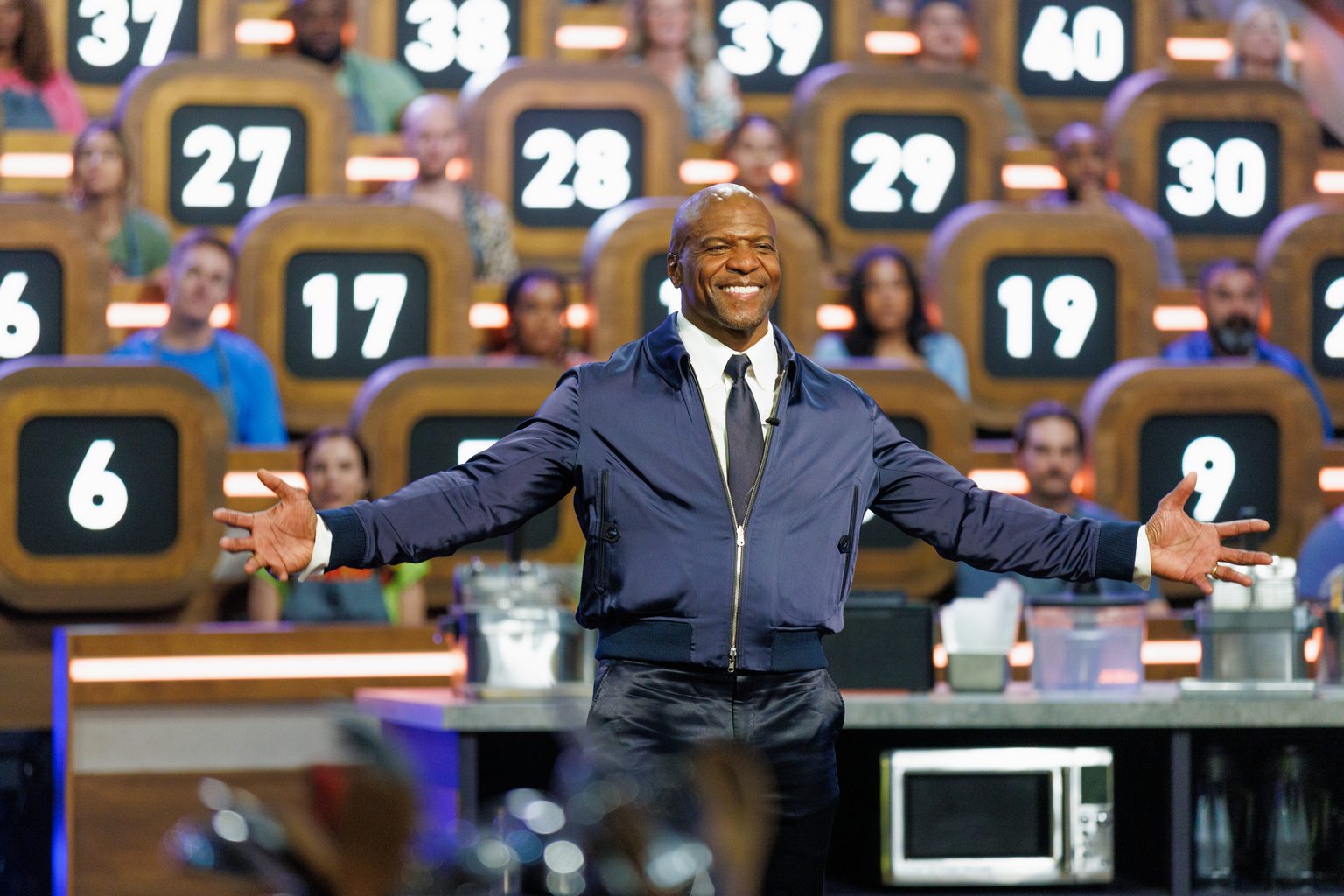
Food Network's new competition 100 Cooks, which premiered on June 7, signals a critical retail moment: the home cook category is becoming a major driver of consumer spending and shelf performance. The show, hosted by Terry Crews, features 100 home cooks competing in a massive arena kitchen, and for retail buyers and CPG marketers, it represents a window into what's actually driving consumer behavior in grocery and food categories.
The significance lies in what the show reveals about category drivers. One challenge tasked contestants with reimagining the humble rotisserie chicken—a staple found in grocery stores across America—pushing home cooks to innovate with everyday products. This mirrors real consumer behavior: home cooks are the primary purchasers of grocery staples and are actively seeking new ways to use them, creating opportunities for brand extension, cross-category promotion, and premium positioning on retail shelves.
The 100 contestants represent America's actual grocery shoppers: teachers, firefighters, lawyers, college students, and parents. These are the decision-makers driving foot traffic and basket size in retail environments. According to host Terry Crews, what separates home cooks from professional chefs is their approach to ingredients. "A great home cook takes whatever is in the refrigerator and makes a masterpiece," Crews said. "They are able to work with whatever they're given and use their creativity to craft delicious meals." This insight directly translates to retail shelf strategy—consumers are seeking versatile, multi-use products that enable creativity, not single-purpose solutions.
Understanding Consumer Motivation and Packaging Opportunity
The emotional drivers behind home cooking reveal critical category opportunities. Crews emphasized the distinction between professional and home cooking: "Being a home cook is different from being a chef. Chefs often tell you what's good, whereas home cooks find out what you love. They are all about pleasing their guests and have a heart focused on feeding and nourishing people. They don't care about the money. They just want to watch others enjoy themselves." This motivation—pleasing others, nourishing family—directly influences purchasing decisions and brand loyalty.
For category managers, this signals that packaging and product positioning should emphasize versatility, ease of use, and the emotional satisfaction of creating meals for loved ones. The show's focus on everyday ingredients being transformed into exceptional dishes mirrors consumer expectations: brands that enable culinary creativity and simplify meal preparation will see stronger shelf velocity and consumer sell-through.
The competition's challenges also highlight pressure-tested product performance. Contestants navigated food trivia, timed cooking battles, and unexpected twists, revealing which products and ingredients perform reliably under real-world kitchen conditions. For CPG brands, this underscores the importance of product quality and consistency in driving positive consumer experiences and word-of-mouth recommendations.
Retail Educational Content as a Category Driver
Beyond entertainment value, the show serves as a platform for educating consumers about product applications and category benefits. Judges Alex Guarnaschelli and Nick DiGiovanni—representing both technical expertise and emotional connection—provide feedback that extends practical knowledge to viewers. Crews noted: "The audience will learn things that change the way people cook. Just because something has been passed down for generations doesn't make it right. The best entertainment is when you gain some educational insight without even trying."
For retailers and brands, this content strategy offers a template: educational messaging tied to entertainment drives engagement and increases consumer confidence in trying new products or categories. As food content dominates social media and streaming platforms, brands that leverage similar educational approaches in their own marketing and packaging will strengthen category performance.
Crews believes this format has enormous potential for expansion and franchising globally. "He envisions this show being as big as America's Got Talent and to become a worldwide sensation. Can you imagine 100 Cooks Brazil? 100 Cooks Italy? 100 Cooks Mexico?" This international expansion signals sustained consumer interest in home cooking content, suggesting the category will continue commanding shelf space, promotional support, and brand innovation investments for the foreseeable future.
At a time when food content dominates social media feeds and streaming platforms, 100 Cooks validates what retail data increasingly shows: home cooks are a powerful, growing consumer segment driving category performance. The show recognizes that culinary influence and purchasing power don't only come from restaurants and professional kitchens—they come from family recipes, neighborhood potlucks, weeknight dinners, and passionate home cooks experimenting after work. For brands and retailers, understanding and serving this audience directly impacts inventory turnover, shelf velocity, and long-term category growth.