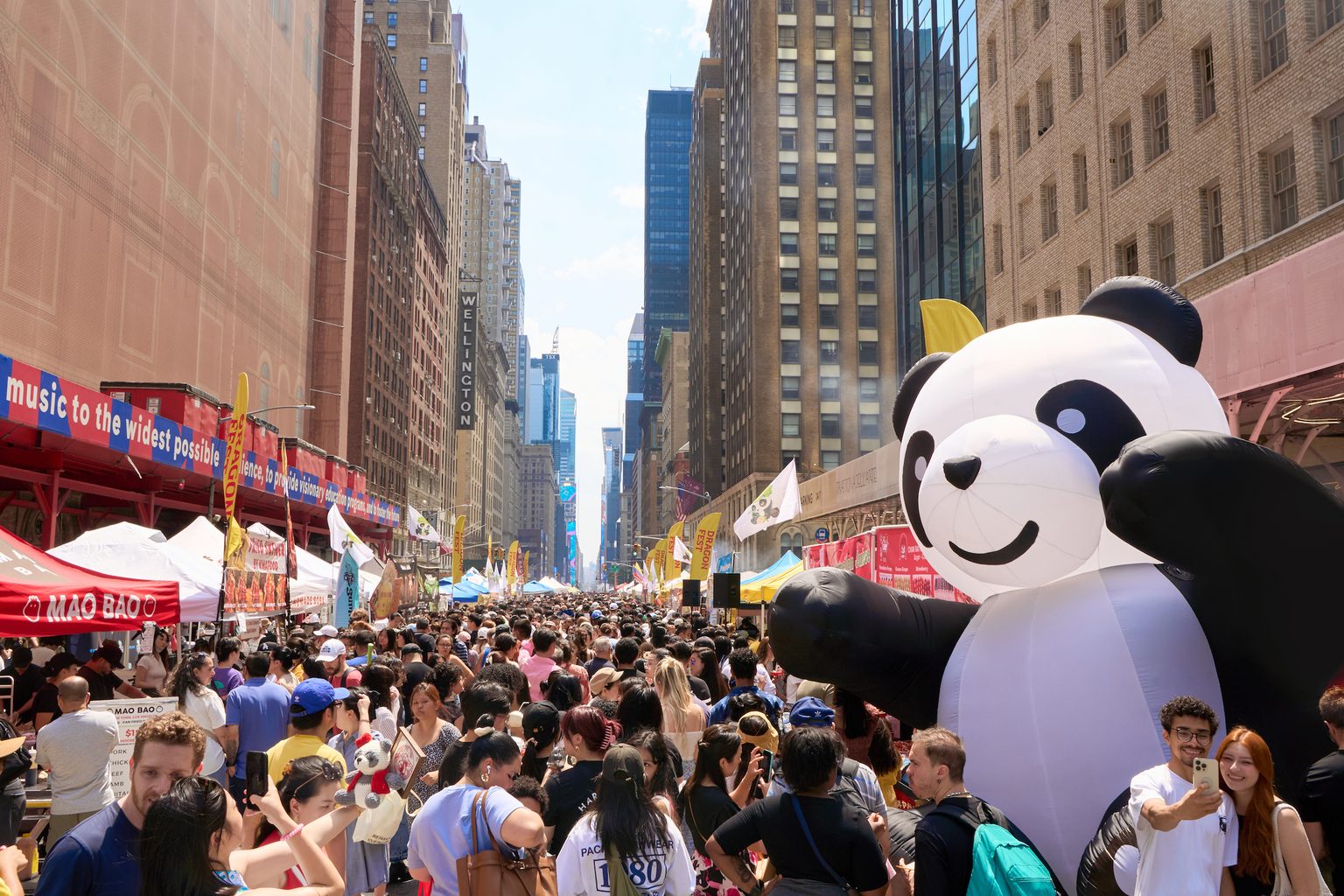
Experiential events have become powerful retail and brand-building vehicles for food and beverage companies seeking to drive consumer awareness and trial. Panda Fest, launched in 2024 and now operating in multiple markets with more than half a million attendees in its first year alone, demonstrates how festival platforms can amplify category performance and create measurable consumer engagement for packaged goods and CPG retailers looking to expand their Asian food presence.
For grocery buyers and category managers, the strategic value lies in understanding how off-premise experiential platforms directly influence on-shelf performance. Panda Fest's rapid expansion across multiple cities offers a case study in how brand exposure at scale—combined with direct consumer sampling and storytelling—drives category discovery and sell-through velocity in retail.
Festival Scale Drives Category Awareness and Trial
Founded by BiuBiu, Panda Fest evolved from a single-day celebration called Panda Day into a multi-city platform showcasing food, music, art, performances, retail, and community. The model targets a critical retail opportunity: consumers increasingly seek experiences that introduce them to new categories and allow them to sample products directly before purchasing decisions are made in-store. Rather than relying on traditional marketing spend, Panda Fest creates high-volume touchpoints where thousands of potential customers interact with brands over a single weekend.
For participating vendors—many of which are family-owned, immigrant-owned, or first-generation entrepreneurs operating on small scales—the festival represents unprecedented consumer access and category visibility. According to BiuBiu, operational support extends beyond booth placement to include production planning, demand forecasting, and helping vendors communicate unfamiliar products and categories to broader audiences. From a retail perspective, this matters because vendors who gain brand awareness and customer loyalty through festivals often translate that momentum into retailer orders and increased on-shelf shelf space allocation.
Vendor Mix and Category Performance
Panda Fest's vendor selection strategy emphasizes authenticity and cultural positioning rather than chasing viral food trends alone. While familiar products such as soup dumplings, soufflé pancakes, tanghulu, and shaved ice generate excitement and social media visibility, the broader programming goal is introducing consumers to the full breadth and diversity of Asian cuisines and brands. This approach expands the addressable market for entire categories rather than concentrating demand on single SKUs.
From a CPG perspective, this creates category expansion opportunity. When consumers are exposed to the depth of Asian food offerings—rather than limited shelf representations—they demonstrate higher willingness to trial new products and broader categories upon return to retail. Category managers benefit as festival exposure converts browsers into informed buyers who actively seek products on-shelf.
Market-Specific Strategy Drives Local Sell-Through
Executing this vision across multiple cities requires operational sophistication comparable to major retail and hospitality organizations. Each market involves unique logistical considerations: venue selection, permitting, local partnerships, vendor recruitment, crowd management, and targeted programming. Importantly, Panda Fest adapts each experience to reflect the surrounding community while maintaining consistent standards, rather than duplicating identical events city to city.
The digital strategy amplifies retail relevance. Rather than relying on broad national marketing campaigns, Panda Fest develops localized content for each destination, collaborates with creators who have established community relationships, and highlights participating vendors and products before tickets go on sale. This approach pre-educates consumers and builds anticipation—driving higher attendance quality and increasing likelihood of subsequent retail purchases from consumers who have already identified preferred brands at the festival.
Feedback collected after every festival directly informs future layouts, vendor mixes, and operational improvements, creating a data-driven model for maximizing consumer exposure and brand interaction.
Measuring Business Impact and Retail Velocity
For category managers evaluating vendor and brand partnerships, the measurable outcomes matter most. Numerous participating vendors have reported that festival exposure expanded their businesses, reached new customer segments, and established sustained momentum—metrics that translate directly to retailer order velocity and shelf performance. These outcomes remain central to Panda Fest's ongoing strategy and continue to shape expansion plans.
As the organization expands nationally across additional markets while exploring year-round engagement through merchandise and creative collaborations, the platform creates extended touchpoints for brands and CPG partners beyond single-weekend events. Expanded opportunities for AAPI-owned businesses, artists, and culinary entrepreneurs create a growing ecosystem of brands seeking retail distribution.
For grocery chains and category managers, Panda Fest illustrates a broader retail truth: experiential events that drive consumer awareness, trial, and cultural connection translate into measurable on-shelf performance. Consumers who interact directly with brands, understand their stories, and sample products at scale return to retail with defined purchase intent. As experiential marketing continues evolving as a retail driver, festivals like Panda Fest demonstrate the category-building potential when consumer engagement platforms are strategically leveraged to expand both brand visibility and overall category sell-through.