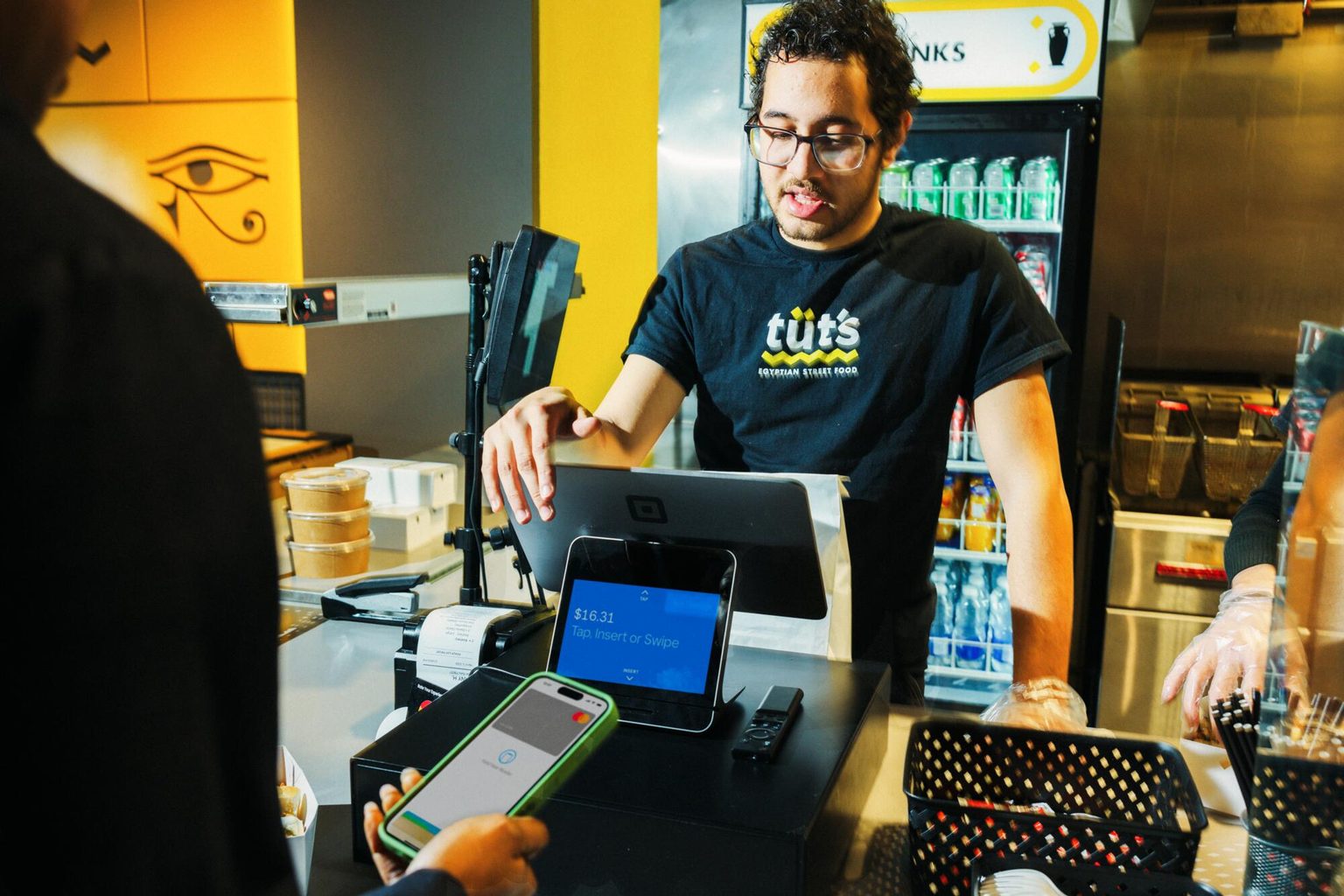
For grocery and CPG retail buyers, category managers, and brand marketers, the reality is stark: fragmented point-of-sale and inventory systems directly impact shelf performance, sell-through velocity, and category profitability. As omnichannel retail expands—with consumers shopping across physical stores, e-commerce, and direct-to-consumer channels simultaneously—the technology infrastructure supporting these operations has become as critical as product quality itself. Square has emerged as a clear example of how integrated commerce platforms can reshape retail category performance by unifying in-store transactions, inventory visibility, and customer data in real time.
Since its founding in 2009, Square has evolved far beyond mobile payment processing into a comprehensive commerce ecosystem serving millions of businesses. Today, the platform spans in-person payments, e-commerce, inventory management, customer engagement, and access to capital. For retailers and brands managing multiple sales channels and stock keeping units (SKUs), this integration directly addresses a fundamental challenge: disconnected systems create operational blind spots that fragment customer data, obscure inventory insights, and delay critical category decisions. Square's approach collapses these silos into a single platform, allowing brands and retailers to track product movement, optimize shelf allocation, and respond to demand signals with precision.
The stakes for category performance are particularly high in food and beverage retail, where inventory turns rapidly, consumer preferences shift seasonally, and shelf space is finite and expensive. Retailers and brands managing multiple channels—dine-in, takeout, delivery, e-commerce, and wholesale distribution—require systems that provide unified visibility into what is actually selling, where sell-through is strongest, and which product formats or packaging perform best across different retail environments. When these insights are fragmented across disconnected systems, category managers lose the real-time intelligence needed to make informed decisions about assortment, space allocation, and promotional strategy.
Unified Inventory and Retail Performance: The Van Leeuwen Case
The Van Leeuwen Ice Cream case illustrates this dynamic clearly. What began as a single scoop truck in New York City has expanded into a nationally recognized premium brand with brick-and-mortar storefronts, grocery distribution, and multi-channel presence. This growth trajectory introduces competing demands: high-volume retail locations require speed and reliability at the point of sale, while packaged goods expansion demands sophisticated inventory tracking, supply chain visibility, and retail performance reporting across multiple store locations and distribution partners.
For a brand like Van Leeuwen, unified point-of-sale and inventory systems are essential for maintaining consistent category performance across retail channels. Retail shelf performance—including sell-through velocity, inventory turns, and stock-out prevention—depends on real-time visibility into product movement at each location and format. Without integrated data, category managers cannot accurately assess which ice cream formats, flavor assortments, or package sizes perform best in different retail environments, nor can they optimize shelf allocation accordingly.
Equally critical is the ability to track and respond to consumer purchasing behavior in real time. Integrated systems provide visibility into peak demand periods, seasonal trends, and flavor preferences across geographies and customer segments. These insights directly inform decisions about inventory levels, production planning, and new product launches. For a brand managing both direct retail locations and wholesale grocery distribution, the ability to see unified demand signals prevents both stock-outs that damage category performance and overstock situations that tie up capital and accelerate shrink.
In premium food categories where consumer loyalty and retail shelf presence are equally important, technology that unifies front-of-house transactions with back-of-house inventory management and supply chain visibility enables brands to operate with the sophistication of much larger enterprises. For retailers, this integration improves category profitability by reducing stock-outs, accelerating inventory turns, and enabling more precise promotional planning.
Real-Time Data Drives Category Decision-Making
The role of data in sustaining retail category performance cannot be overstated. Square's integrated platform provides category managers and retail buyers with actionable insights into consumer behavior, product performance, and sell-through patterns. These insights directly inform decisions about shelf space allocation, promotional calendar planning, and assortment optimization.
Advanced analytics—including Square's integration of artificial intelligence—enable retailers and brands to move beyond reactive inventory management into predictive category strategy. By analyzing real-time transaction data, local consumer trends, and external market factors, category managers can make informed decisions about which products to feature, how to allocate shelf space, and when to adjust pricing or promotions to maximize sell-through velocity.
For CPG brands managing multiple SKUs across different retail channels, this capability is transformative. Unified data reveals which package sizes, flavor assortments, and product formats drive the strongest consumer sell-through. It identifies which retail locations respond best to specific promotional tactics. It enables rapid response to emerging consumer trends, allowing brands to adjust production and distribution strategy before competitors. For retailers, these insights directly improve category margin and inventory efficiency.
Simplified Technology Removes Barriers to Retail Adoption
A critical differentiator for Square has been its commitment to accessibility and usability. The platform is intentionally designed to eliminate technical complexity, removing barriers that have historically prevented independent retailers and emerging brands from accessing sophisticated commerce technology. Hardware is familiar and intuitive. Software prioritizes clarity, offering dashboards and insights that are immediately actionable rather than requiring specialized interpretation.
This democratization of technology has particular significance for category managers and retail buyers working with emerging or independent brands. By enabling smaller operators to implement integrated, sophisticated systems without prohibitive upfront costs or lengthy implementation timelines, Square has expanded the universe of suppliers capable of providing reliable, real-time category performance data. For retailers seeking to stock emerging premium brands, this means greater access to partners who can track inventory, manage sell-through, and respond to category needs with enterprise-grade precision.
Industry Standard for Integrated Retail Performance
Scale matters in assessing influence, and Square's footprint is substantial: the platform processes hundreds of billions in annual payment volume and serves a diverse customer base ranging from independent retail locations to high-growth, multi-location brands. More significantly, Square has shifted industry expectations around what integrated commerce technology must deliver.
Competitors are now evaluated not on transaction fees or hardware alone, but on their ability to deliver integrated, end-to-end solutions that support every aspect of retail operations—from point-of-sale transaction capture to inventory management, customer data, and category performance analytics. For food and beverage retail specifically, this evolution is critical. Category managers require platforms that unify front-of-house and back-of-house operations, streamline order management, and provide real-time visibility into product performance across channels. These capabilities directly impact shelf performance, inventory efficiency, and category profitability.
As retail continues to blur lines between physical stores, e-commerce, and direct-to-consumer channels, the advantage belongs to businesses and brands equipped with systems that provide unified visibility into consumer behavior, inventory position, and sell-through performance across all channels. Integrated platforms that evolve in step with changing retail environments—and deliver actionable insights that inform category strategy—will define the next generation of retail leaders. Square has positioned itself firmly at the center of this evolution, not by chasing trends, but by building infrastructure that anticipates them. By unifying technology, simplifying complexity, and empowering retailers and brands at every scale, Square is helping define what modern retail commerce looks like in practice—and how category performance translates directly to consumer sell-through and retail profitability.