American cider is evolving from a seasonal novelty into a growth category with measurable shelf success, driven by producers who demonstrate transparent sourcing and portfolio breadth. Snow Capped Cider, a Colorado-based producer, exemplifies the competitive advantage that vertical integration and award recognition deliver to retail buyers seeking differentiated SKUs and strong sell-through potential.
The cidery's performance metrics speak directly to category buyers: earlier this year, Snow Capped earned GLINTCAP Mid-Size Cider Maker of the Year for the third consecutive year while establishing a new competition record with 14 Best in Show awards at the Great Lakes International Cider and Perry Competition. At the Cidercraft Awards, the company received 23 medals spanning Platinum, Double Gold, Gold, Silver, and Judges' Pick honors. This level of consistent recognition signals quality assurance to consumers and provides retailers with trusted third-party validation for planogram placement.
Vertical Integration Creates Competitive Shelf Story
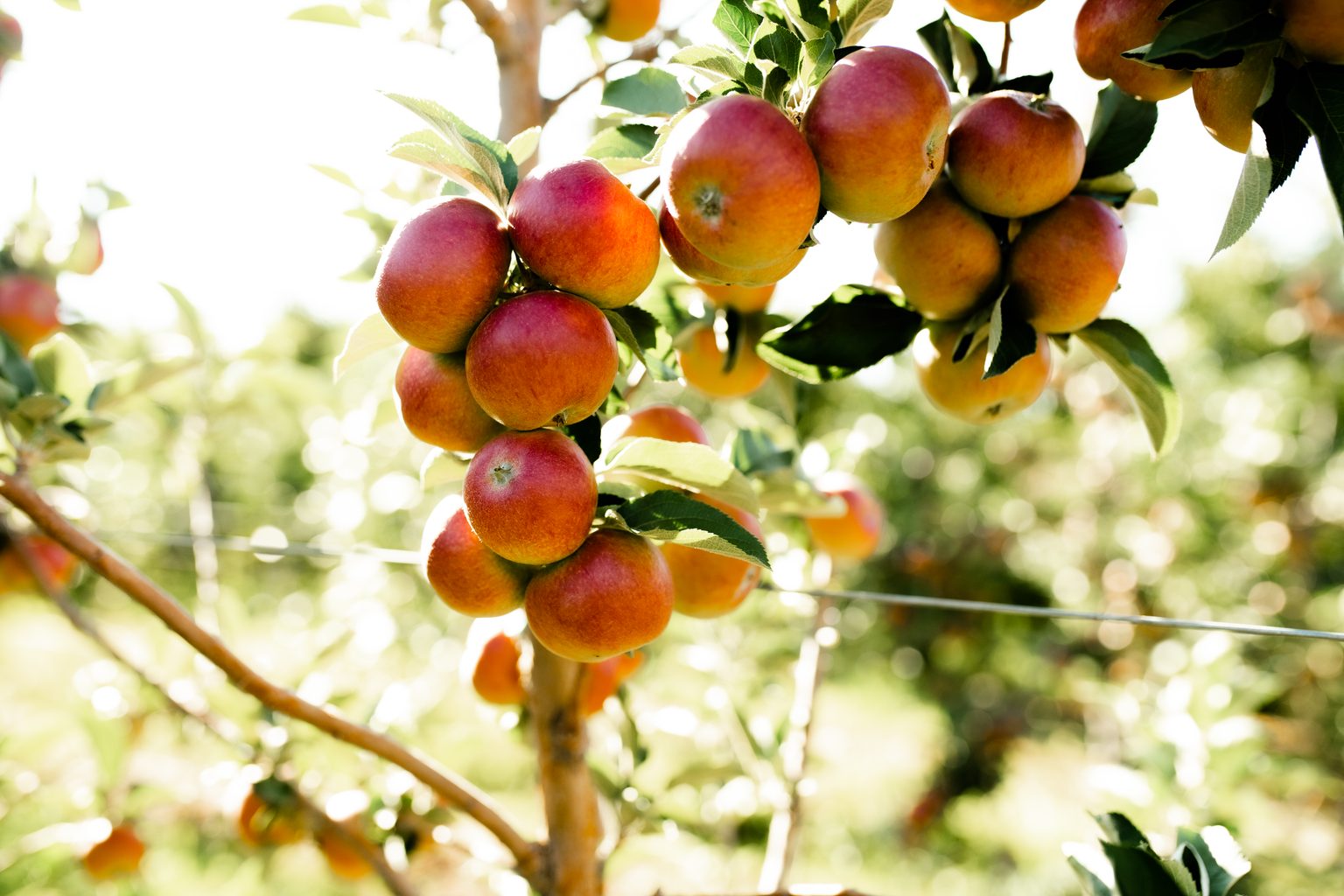
Operating from the Surface Creek Valley on Colorado's Western Slope, the family-owned cidery maintains complete control over its fruit from orchard management through fermentation and bottling. Fourth-generation orchardist Ty Williams and head cidermaker Kari Williams oversee more than 100 apple varieties, including traditional European cider apples, heirloom cultivars, dessert apples, and perry pears. This orchard-to-bottle integration allows Snow Capped to deliver what increasingly matters to category managers: a producer story with measurable agricultural control and consistency that translates to reliable SKU performance.
The Williams family's history spans more than 100 years in western Colorado, with five generations cultivating fruit in the region. Rather than sourcing fruit from multiple growers, every cider begins in orchards the company owns and manages. This approach enables harvest decisions based on maturity rather than shipping schedules, and allows individual varieties to be fermented to showcase distinct characteristics before blending or bottling as single-varietal releases.
Portfolio Breadth Supports Multiple Shelf Positions
Snow Capped's range includes traditional English-style ciders, single-varietal bottlings, barrel-aged releases, fruit ciders, and perries featuring traditional bittersweet cider apples such as Dabinett and Yarlington Mill alongside heirloom American varieties. This portfolio diversity supports multiple category positions and consumer price points on retail shelves—a critical advantage for buyers seeking to expand cider's footprint beyond seasonal displays.
Several of the company's ciders have been recognized by the Good Food Foundation, reinforcing credentials that resonate with consumers seeking sustainable and responsibly produced beverages. For retailers emphasizing regional sourcing and producer-driven messaging, estate-grown cider provides packaging and merchandising angles comparable to craft wine positioning.
Geography and Growing Conditions Drive Product Consistency
Situated at elevations exceeding 6,000 feet beneath Colorado's Grand Mesa, the orchards benefit from warm days, cool nights, mineral-rich soils, and abundant snowmelt irrigation. These growing conditions encourage apples to develop bright natural acidity while maintaining the sugar levels necessary for balanced fermentation. Climate conditions also enable many traditional cider varieties to perform exceptionally well despite being more commonly associated with European growing regions—a production advantage that supports consistent year-over-year quality for retailers managing inventory and consumer expectations.
Cider Category Momentum Supports Expanded Retail Placement
As beverage categories evolve, cider is finding larger placement in retail environments and on-premise operations that previously viewed the segment as seasonal or limited in scope. Buyers are increasingly introducing dry, tannic, and single-varietal ciders that appeal to consumers interested in premium, terroir-driven beverages. For category managers focused on regional sourcing and producer-driven storytelling, estate-grown cider provides positioning attributes that have long driven success in craft beverage sections.
Consumer interest in understanding beverage origin, ingredient sourcing, and producer narrative continues to expand. Estate-grown cider aligns naturally with this consumer demand because it places equal importance on farming and fermentation—a positioning advantage that supports both front-of-shelf visibility and sustained sell-through velocity.