Il Borro's vertically integrated model — controlling everything from vineyard to table — offers a masterclass in supply chain management, premium positioning, and consumer sell-through for CPG and hospitality brands. In a conversation with Food & Beverage Magazine, Salvatore Ferragamo Jr. and Chef Andrea Campani reveal how operational control translates into measurable retail and consumer advantages.
Supply Chain Integration as Competitive Advantage
How does full control over the supply chain from vineyards to vegetable gardens impact menu innovation, pricing strategy, and guest experience?
Having full control over the supply chain from the vineyards to the vegetable garden completely changes our approach to cuisine and the way we work. We don't start from what we want to put on the menu but from what nature offers us at that specific moment. This allows us to be more creative, but it also requires a great ability to adapt because sometimes a product can change or become unavailable at the last minute. The technique is essential to transform every available ingredient into a dish capable of creating emotion.
From a pricing strategy point of view, a short supply chain does not necessarily mean lower costs. Working with small producers, sustainable farms, and non-intensive agriculture often involves higher costs compared to industrial or large-scale systems. This is inevitably reflected in the final price, but guests recognize the value of making an ethical, safe, and healthy choice. Knowing exactly where every ingredient comes from and being able to personally guarantee its origin creates a very strong relationship of trust with the guest.
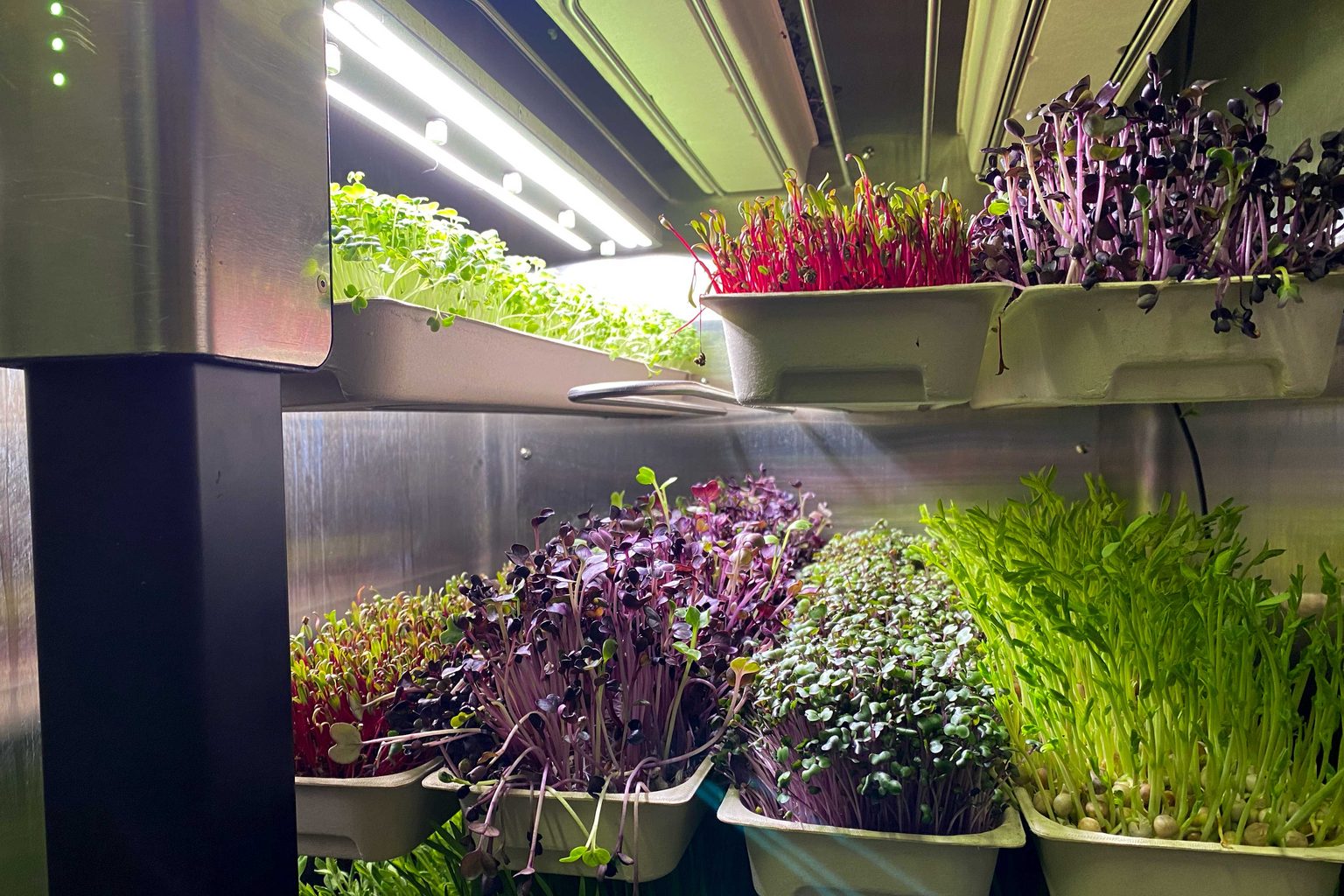
Finally, there is also a very important human and cultural aspect. Direct contact with farmers, breeders, and producers allows us to better understand the rhythms of nature, the work in the fields, respect for animals, and the true seasonality of products. All of this enriches our awareness and is reflected in the experience we offer our guests.
Transparency and Authentication as Shelf Drivers
Il Borro offers guests a rare transparency — from cheese production to truffle hunting. How does that direct connection to the land influence your approach to menu creation?
Chef Andrea Campani: That direct connection to the land is at the heart of our philosophy. It allows us to work closely with what is being produced in real time, from our own estate and trusted local partners. As a result, our Farm-To-Table menu is constantly renewed, only evolving with the seasons and the availability of the freshest ingredients. This approach ensures that each dish reflects the authenticity of Tuscany and highlights the quality of seasonal products at their peak.
For retail buyers and category managers, this transparency model translates to consumer storytelling at shelf. Traceability and origin claims — communicated through packaging, point-of-sale materials, and digital platforms — build consumer trust and justify premium pricing. When shoppers can connect a bottle of wine or a product directly to its provenance, attach a face to production, and understand sustainability practices, conversion rates and repeat purchase behavior improve significantly.
Wine Portfolio Strategy and Category Performance
From amphora-aged wines like Petruna to expansion into Brunello di Montalcino, how is Il Borro evolving its wine identity while maintaining authenticity?
We are building a more complete and coherent identity.
Petruna, for example, is about going deeper into expression, using amphora is returning to an older tradition that still has a lot to say today.
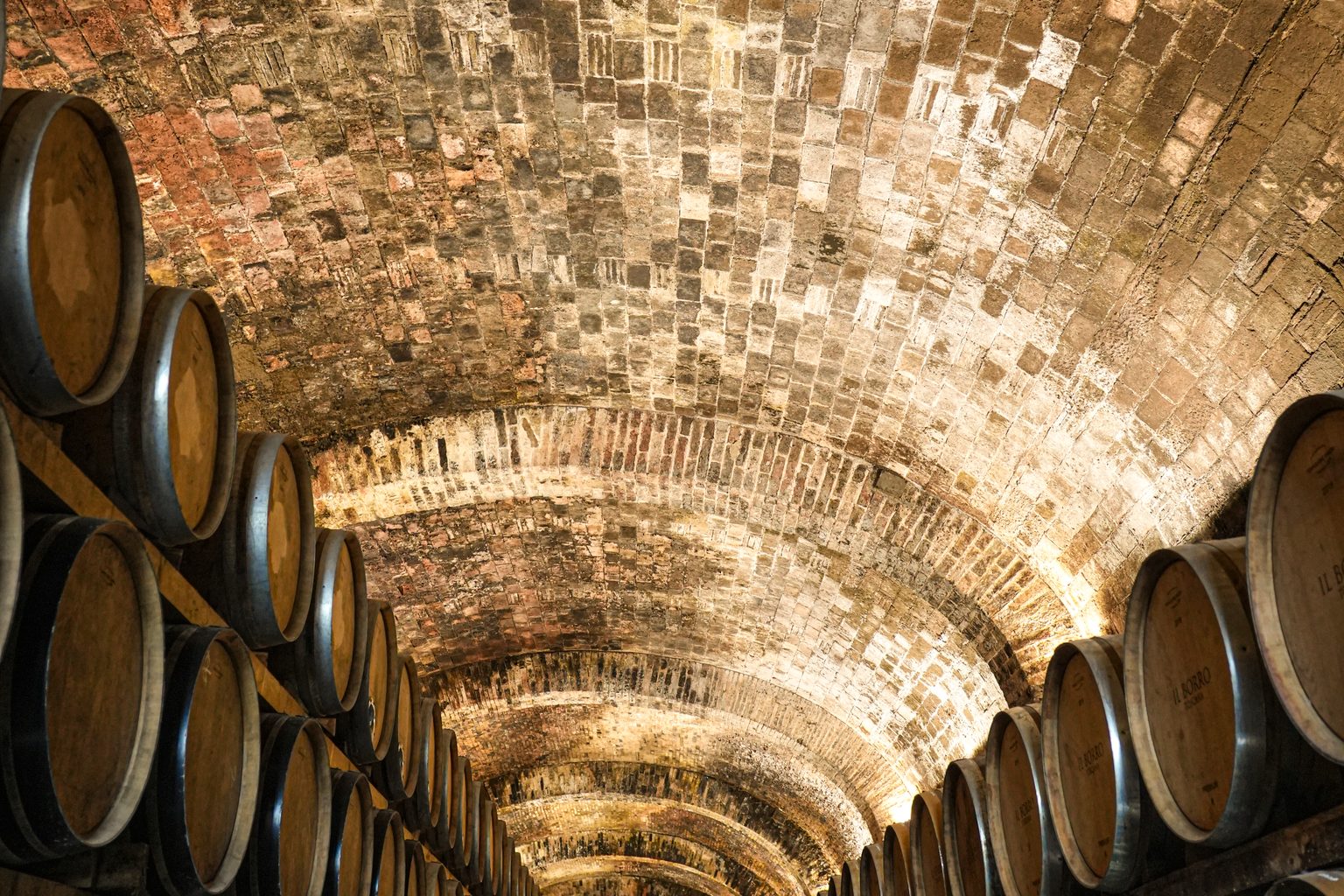
The move into Brunello is a long-term investment that strengthens the overall profile of Il Borro, but has its own identity, as a wine globally recognized. But at the same time, Pinino is one of the founding estates of the denomination, dating back to the early years of Brunello di Montalcino DOCG, so once again, there is a strong connection to history.
The logic is always the same: each project has to bring something unique. Not just more wines, but a clearer, stronger identity built over time.
This multi-tier portfolio strategy mirrors proven retail category management principles: differentiated SKUs at varying price points within a cohesive brand umbrella create multiple shelf opportunities, increase planogram depth, and capture broader consumer segments while reinforcing brand equity across the category.
Sustainability as a Measurable, Sellable Attribute
Il Borro manages a certified organic estate with a significantly reduced environmental footprint. How do you reconcile the ambition of becoming carbon positive with the need for transparent and verifiable reporting?
Sustainability, to be credible, must be measurable. And measuring well takes time and method.
What we can say with certainty today is that our renewable energy production grows every year: we have gone from the first eight photovoltaic systems in 2013 to eighteen today. In 2024, we produced 2.4 GWh of renewable energy, avoiding 669 Tonnes of CO₂; in 2025, we pushed this even further, reaching 2.7 GWh.
On the emissions side, in 2024 we conducted our first comprehensive Scope 3 assessment, mapping indirect emissions across our entire value chain, and this year we are refining it further. Then there is a chapter still being written: the carbon absorbed by our forests. Il Borro spans 1,200 hectares, of which around 520 are pristine woodland. These forests breathe, sequester CO₂, and shelter around 50 protected species. We believe that once the full picture is measured, it will tell a very compelling story.
But we will not say it until the numbers support it because sustainability does not tolerate inconsistencies. That is the difference between those who tell the story and those who build it. We belong to the latter.
For brand marketers, verifiable environmental metrics — third-party certified, Scope 1, 2, and 3 measured — are increasingly critical to retail placement and consumer loyalty programs. Retailers are building sustainability-focused planograms and promotional calendars; brands with auditable claims win premium shelf positions and higher sell-through at target demographics.
Innovation Within Brand Integrity
How do you strike the balance between honoring tradition and pushing innovation?
We look at tradition and innovation not as opposites but together. If anything, innovation should empower tradition, not replace it.
At Il Borro, tradition is the framework, how we grow, how we produce, how we host, the ingredients. Innovation comes in as a tool for precision, to refine and enhance what already exists.
For example, in the vineyard, in line with our sustainability approach, we follow old practices like a natural technique called sexual confusion to protect the vines, with small pheromone diffusers that disrupt the mating cycle of insects, reducing the need for intervention. It's a method with roots going back decades used in France, but now has been improved through a more precise application of technology.
So the balance comes from respecting what's there, but not treating it as untouchable. It has to stay alive, and that means evolving it with intention.
This approach aligns with consumer expectations on shelf: products positioned as "heritage meets modern" show stronger velocity than either purely traditional or purely innovation-driven claims, especially in premium categories where authenticity and progress must coexist.
Beverage Program Evolution for Broader Market Reach
With the recent redesign and evolution of Il Borro Tuscan Bistro, how are you shaping the beverage and overall dining program to resonate with an international audience?
Chef Andrea Campani: At Il Borro Tuscan Bistro, the evolution of the dining and beverage program has been about refining that identity rather than adapting it. The goal is not to change the message, but to make it legible. When the experience is genuine, from the glass to the plate, it naturally connects with guests from different cultures.
This "authenticity through clarity" strategy directly impacts distribution and SKU performance. Localized packaging, multilingual storytelling, and regionally-tuned product selections — all anchored to core brand values — expand market penetration without diluting shelf presence or brand architecture.
What the Next Generation Demands
What does the next generation of luxury travelers and diners expect — and how is Il Borro uniquely positioned to meet those expectations?
In a world where almost anything can be accessed instantly the true luxury lies in simple and genuine things. What people begin to crave instead is authenticity: something real, unfiltered, and deeply human. So, for the next generation of travelers and diners, luxury is defined by the quality of experience and is something intimate, meaningful, and sustainable. It invites us to slow down, to reconnect with our senses, and to appreciate the essence of things.
For retail category managers, this insight translates into opportunity: premiumization through authenticity, supply chain transparency, and measurable sustainability is not a niche positioning — it's the emerging mainstream. Brands that can demonstrate origin, control quality throughout the value chain, and articulate verifiable environmental commitments will capture disproportionate shelf share and consumer loyalty in the next growth cycle.