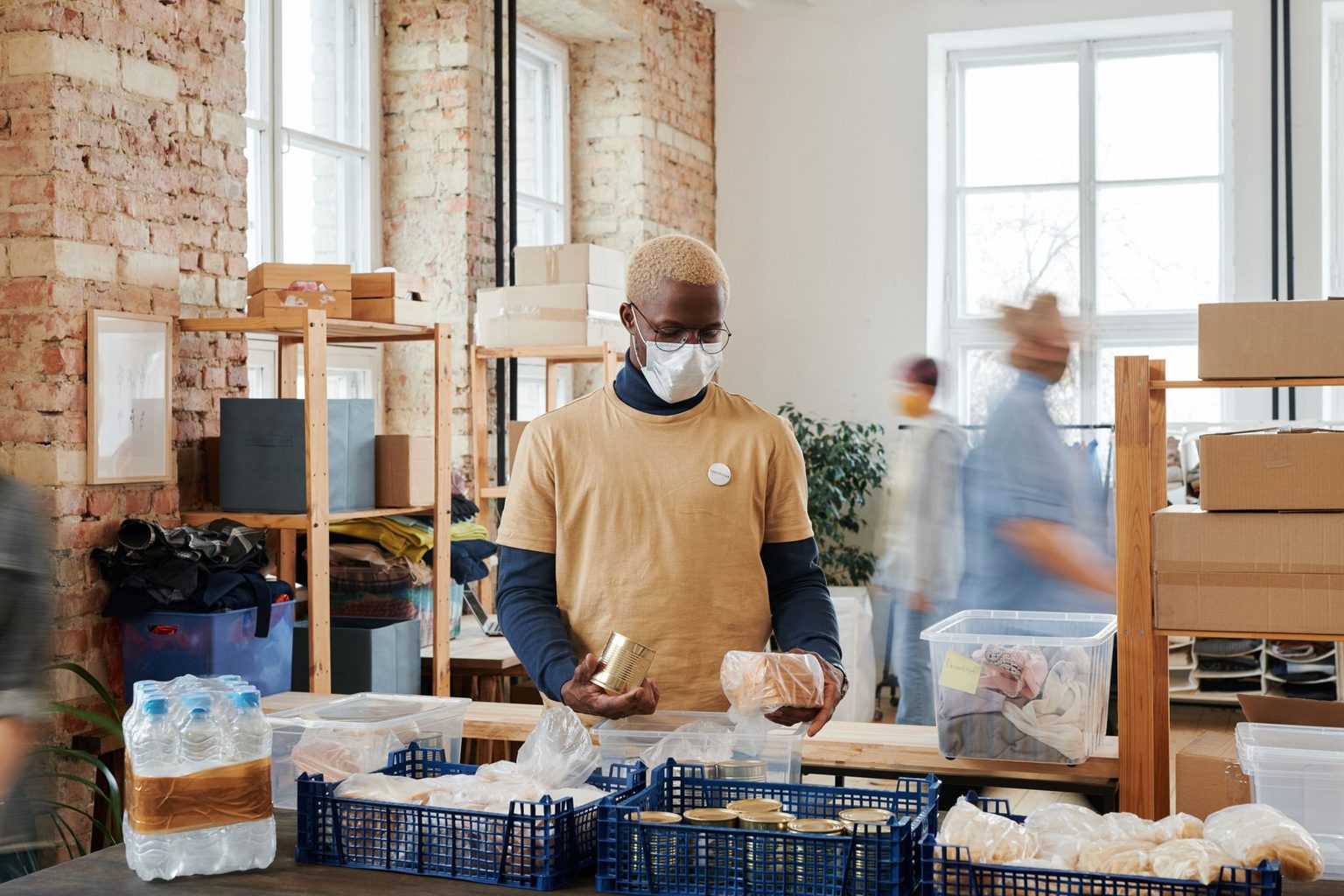
Raddish Kids is committing 10,000 cooking kits and 28,000 literature bundles to Save the Children US in a large-scale product donation aimed at closing the nutrition-education gap in rural American communities. The contribution represents one of the subscription-box brand's most significant social-impact efforts to date, directing physical product — not just cash — into underserved households where food literacy programming is scarce.
The Donation Breakdown
The 10,000 cooking kits are designed to give children and caregivers hands-on culinary instruction, pairing ingredients guidance with skill-building activities. The 28,000 literature bundles extend that reach with take-home reading materials reinforcing healthy-eating concepts. Together, the two components give Save the Children field teams a turnkey nutrition-education toolkit deployable across its rural programming footprint in the United States.
Why It Matters for CPG
For the children's food and cooking-kit category — a segment that has matured significantly since the meal-kit boom reshaped grocery shoppers' expectations around at-home food preparation — corporate giving programs tied to tangible product are increasingly relevant to brand positioning. Subscription-based food and cooking brands operate in a crowded direct-to-consumer landscape where mission-alignment can influence both customer acquisition and retention. Raddish Kids' decision to route physical inventory through a credentialed nonprofit rather than traditional retail channels also sidesteps slotting fees and promotional spend, channeling cost savings directly into community impact.
Rural food access remains a structural challenge for grocery operators and CPG brands alike. USDA data consistently shows that rural counties carry a disproportionate share of food-insecure households, with limited access to full-service grocery retail compounding the problem. Programming that reaches families outside the conventional planogram — through schools, community centers, and nonprofit delivery networks — fills a gap that retail distribution alone cannot close. For a brand like Raddish Kids, whose core consumer skews toward suburban households with disposable income, the Save the Children partnership also broadens demonstrated reach and reinforces relevance with retail and channel partners evaluating cause-marketing alignment.
Outlook
As grocery retailers and CPG manufacturers continue to face scrutiny over food equity commitments, in-kind product donations of this scale carry measurable signaling weight. The children's food and snack segment has seen heightened activity around nutrition positioning, with brands across the natural/specialty channel and mass market alike investing in better-for-you formulations and educational programming. Raddish Kids' move reflects a broader trend in subscription and direct-to-consumer food brands leveraging nonprofit partnerships to extend brand equity beyond their existing subscriber base. Whether this donation translates into expanded retail distribution or co-branded programming with Save the Children remains to be seen, but the volume — nearly 38,000 total units — signals a commitment that goes beyond token cause-marketing.
Written by Michael Politz, Author of Guide to Restaurant Success: The Proven Process for Starting Any Restaurant Business From Scratch to Success (ISBN: 978-1-119-66896-1), Founder of Food & Beverage Magazine, the leading online magazine and resource in the industry. Designer of the Bluetooth logo and recognized in Entrepreneur Magazine's "Top 40 Under 40" for founding American Wholesale Floral, Politz is also the Co-founder of the Proof Awards and the CPG Awards and a partner in numerous consumer brands across the food and beverage sector.