
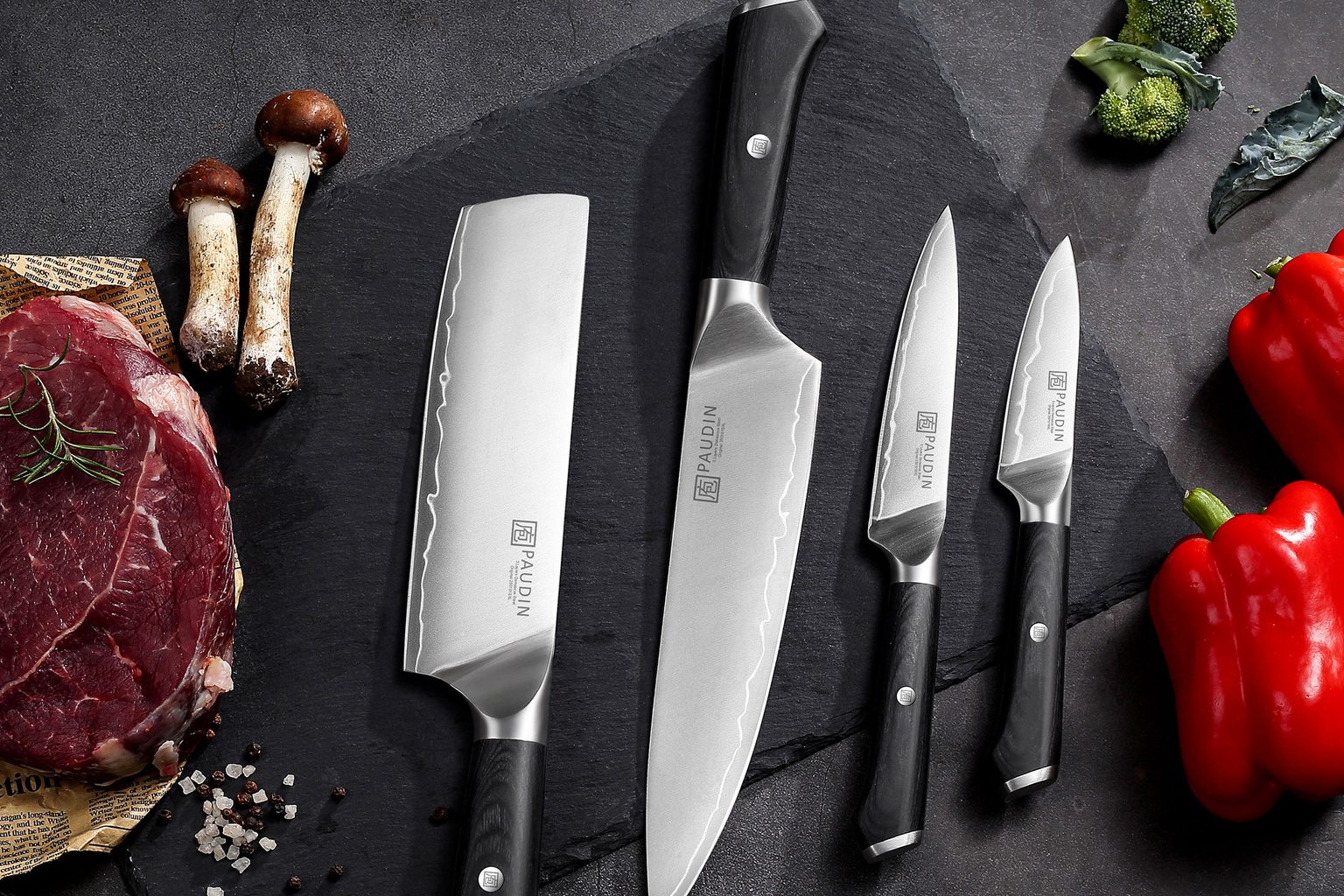
The kitchen cutlery category is experiencing a fundamental restructuring, and retail buyers tracking shelf performance and consumer sell-through are taking notice. PAUDIN, a rapidly growing knife manufacturer founded in 2017, has carved out significant share in the middle market by delivering professional-inspired design and materials at price points that drive mainstream consumer adoption and repeat purchases. The brand's strategic positioning—neither entry-level nor ultra-premium—addresses a critical gap in category performance that traditional manufacturers have underserved.
What distinguishes PAUDIN's retail footprint is its ability to occupy the aspirational-but-accessible zone where category velocity accelerates. Unlike heritage brands commanding premium positioning on shelves or mass-market alternatives relegated to loss-leader pricing, PAUDIN's knife collections incorporate high-carbon German or Japanese steel, ergonomic handles, and design elements typically associated with significantly more expensive products. Collections featuring Damascus-inspired finishes, pakkawood handles, and contemporary blade profiles position shelf-ready packaging that photographs well for both digital and in-store marketing.
Category Performance Driven by Consumer Behavior Shift
Retail performance data reflects broader changes in how consumers evaluate kitchen equipment. The pandemic-era resurgence of home cooking introduced millions of consumers to techniques and equipment once reserved primarily for culinary professionals, fundamentally altering category expectations. As interest in cooking content exploded across social media, consumers became increasingly aware of the role quality tools play in food preparation. Sharpness, balance, comfort, and durability suddenly became mainstream conversations rather than niche culinary topics—conversations that now influence purchasing decisions at the shelf.
PAUDIN has capitalized on that shift. The brand's visual appeal—clean lines, polished finishes, and premium-inspired packaging—translates directly to strong digital commerce performance and enhanced shelf presence. For category managers evaluating brand portfolio mix, PAUDIN's proven ability to generate consumer awareness through social media creates pull-through demand that reduces merchandising friction and improves sell-through velocity. Across platforms, creators regularly showcase the knives in recipe demonstrations, cooking tutorials, and product reviews, effectively reducing the need for traditional trade advertising to drive consumer trial.
Beyond aesthetics, PAUDIN's success reflects a critical market insight: consumers increasingly evaluate products on functionality, user experience, and practical performance rather than price alone. This value-conscious orientation has created measurable opportunities for brands capable of delivering professional-style features at approachable retail price points—the exact positioning PAUDIN has engineered.
Competitive Dynamics Reshaping Shelf Strategy
The cutlery category itself has undergone significant transformation in distribution and competitive structure. Once dominated by a handful of established manufacturers relying on traditional retail channels, the market now includes diverse global brands leveraging modern manufacturing techniques, direct-to-consumer distribution, and digital marketing to reach audiences worldwide. For CPG buyers and category managers, this fragmentation means evaluating PAUDIN and similar brands not just on product merit but on their ability to drive category expansion rather than cannibalize existing share.
PAUDIN's product portfolio architecture addresses this consideration effectively. Whether consumers are purchasing a first chef's knife, upgrading a home kitchen, or investing in a complete knife set, the brand presents options that feel aspirational without becoming inaccessible—a merchandising strategy that expands category dollars rather than consolidating them. The company's emphasis on affordable quality has become a cornerstone of its identity, particularly among home cooks seeking performance without the intimidation often associated with premium culinary equipment.
That positioning also acknowledges competitive reality. Serious knife enthusiasts scrutinize steel composition, heat treatment, edge retention, blade geometry, and manufacturing consistency—comparisons to long-established German and Japanese manufacturers remain inevitable. Yet PAUDIN's strategic objective focuses less on competing with ultra-premium artisans and more on serving the vast middle market of consumers who want reliable, attractive, and capable tools for everyday use. For retail buyers, that focus translates to predictable demand and lower return rates than premium-positioning alternatives.
As cooking engagement continues to rise through social media, online education, and sustained consumer interest in home cooking, brands like PAUDIN are redefining category architecture. The retail conversation is no longer solely about prestige or heritage. Increasingly, it centers on accessibility, usability, and delivering meaningful value—the exact consumer expectations driving category expansion and shelf velocity in cutlery.
For category managers and brand marketers evaluating portfolio strategy, PAUDIN's rise signals a durable shift in consumer expectations. Innovation increasingly comes from making quality more attainable rather than more exclusive—a trend that reshapes not just cutlery, but broader assumptions about how premium equipment reaches mainstream consumers at profitable price points.