As premium Italian dining continues to capture consumer attention, Mano Libera—a contemporary Italian restaurant in South Miami led by Chef Marco Giugliano—has earned recognition from 50 Top Italy, the globally respected guide celebrating the finest Italian restaurants around the world. For retail buyers, category managers, and brand marketers tracking the fine dining segment, this recognition signals important consumer behavior shifts that directly impact ingredient sourcing, premium product positioning, and foodservice category performance.
The restaurant's ascent reflects a critical trend: today's dining establishments, particularly in the premium segment, are driving demand for authentic, chef-driven concepts that prioritize culinary heritage and evolving ingredient stories. This translates directly to retail shelf impact. As high-end foodservice venues like Mano Libera build their brand narratives around artisanal craftsmanship, locally-sourced ingredients, and technique-focused preparation, consumer expectations at retail shift accordingly. The experience diners have in chef-driven restaurants increasingly influences their purchasing decisions in grocery and CPG categories.
Premium Ingredient Sourcing and Shelf Performance
At Mano Libera, the restaurant's philosophy—embodied in its name, which translates to "free hand"—centers on embracing spontaneity, interaction, and genuine Italian culinary tradition without rigid constraints. Chef Marco Giugliano, born in Italy and trained across global culinary destinations, brings both classical Italian technique and modern international sensibility to the kitchen. His menu respects Italian culinary heritage while introducing contemporary textures, presentations, and flavor combinations.
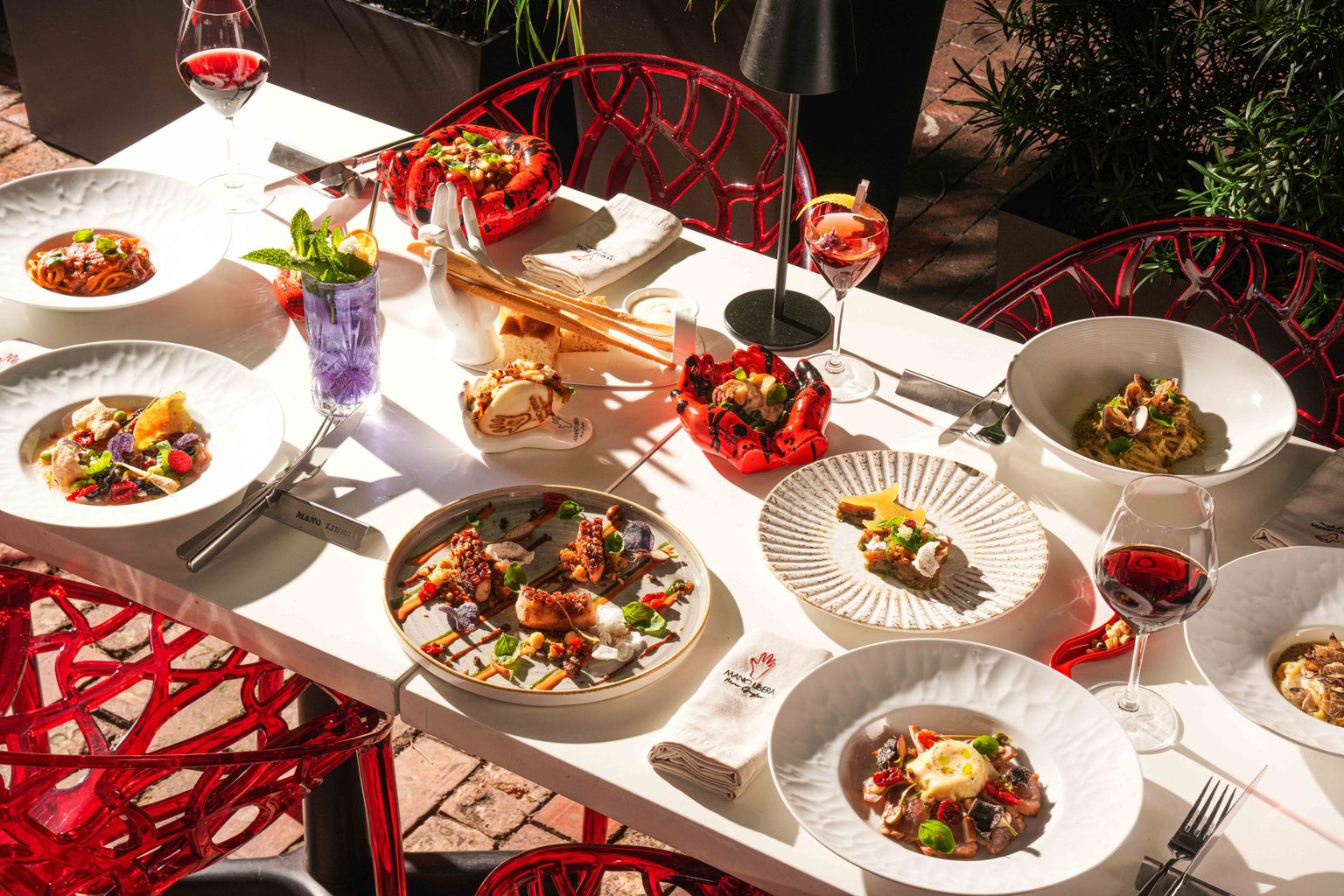
For CPG brand marketers and category managers, this model has direct retail implications. Mano Libera's menu showcases handmade pastas, pristine seafood, seasonal ingredients, and carefully layered sauces—all emphasizing technical precision and ingredient integrity. This creates consumer demand signals for premium pasta offerings, specialty seafood products, and high-quality imported ingredients at retail. The restaurant's refined but accessible approach to Italian cuisine—balancing refinement with comforting familiarity—mirrors successful premium product positioning strategies on grocery shelves, where authenticity and heritage narratives drive sell-through.
Experience-Driven Dining and Category Crossover
The restaurant operates through an immersive dining model where guests engage directly with the chef's direction through shared courses and handcrafted preparations. This experiential format—creating dynamic, memorable meals rather than following traditional appetizer-and-entrée structures—has measurable implications for retail. When consumers experience this level of culinary intentionality in foodservice, they increasingly seek comparable authenticity at retail: genuine Italian products, artisanal preparations, and transparently-sourced ingredients.
The balance between refinement and accessibility has become Mano Libera's competitive advantage. The restaurant operates at a high culinary level while avoiding the stiffness that can overshadow fine dining, prioritizing hospitality and genuine guest connection. For retail buyers, this insight is critical: premium foodservice venues are training consumers to value narrative, craftsmanship, and emotional connection in food experiences. These expectations directly influence premium segment performance in grocery channels.
Miami's Dining Evolution and Retail Market Impact
The 50 Top Italy recognition arrives during a pivotal moment for Miami's restaurant industry. Over recent years, the city has evolved into one of America's most globally influential culinary hubs, attracting chefs and concepts from around the world. Yet while many restaurants lean heavily into theatrics or exclusivity, Mano Libera succeeds by focusing on authenticity and craftsmanship—a distinction that matters for retail category performance.
Today's consumers increasingly seek products and dining experiences with narrative and intention, places and brands where food reflects a deeper cultural perspective rather than simply chasing trends. Fresh pasta remains a cornerstone of Mano Libera's experience, alongside seafood-driven dishes and refined regional Italian flavors. Ingredients are treated with restraint and respect, allowing simplicity and execution to carry equal weight. This disciplined approach directly informs successful premium product positioning at retail.
The restaurant's design philosophy—contemporary elements combined with vibrant textures and curated artistic details—mirrors successful premium product packaging strategies: modern, expressive, distinctly authentic, yet clearly contemporary. Every detail, from plating to service flow, contributes to an atmosphere designed to feel experiential rather than performative. Similarly, at retail, successful premium brands combine visual shelf impact with authentic storytelling.
The Foodservice-Retail Connection
Mano Libera embodies a larger shift across the hospitality industry: the rise of chef-driven concepts that prioritize emotional connection as much as technical excellence. This matters directly to category managers and brand marketers because high-end foodservice venues function as innovation laboratories. Consumer experiences in restaurants like Mano Libera—where heritage and innovation coexist naturally, where hospitality feels sincere, and where the experience extends far beyond the plate itself—directly influence grocery purchasing behavior and premium segment performance.
For Chef Marco Giugliano, the international recognition from 50 Top Italy represents an important milestone. The restaurant continues to evolve, shaped by seasonality, creativity, and the ongoing dialogue between Italian tradition and contemporary dining culture. For retail professionals tracking foodservice trends and their consumer impact, Mano Libera's growing acclaim demonstrates how authentic, chef-driven positioning drives both venue credibility and downstream retail category growth.