The THC beverage category continues to gain traction as consumers explore new formats that blend enjoyment and mindfulness. Gigli, a brand building its portfolio around cocktail-inspired THC beverages, is arriving at a pivotal moment for retail—when products that deliver clarity, consumer appeal, and distinctive shelf presence stand to capture meaningful market share.
For category managers and retail buyers, the opportunity with Gigli centers on a clear value proposition: the brand combines familiar flavor cues with contemporary positioning in a way that translates to strong trial and sell-through. In a crowded retail landscape, products that are easy to recognize and explain often have the strongest chance of earning shelf space and consumer conversion. Gigli delivers that clarity through a precision-built lineup designed to feel elevated without complexity.
A Focused Flavor Strategy Built for Shelf Appeal
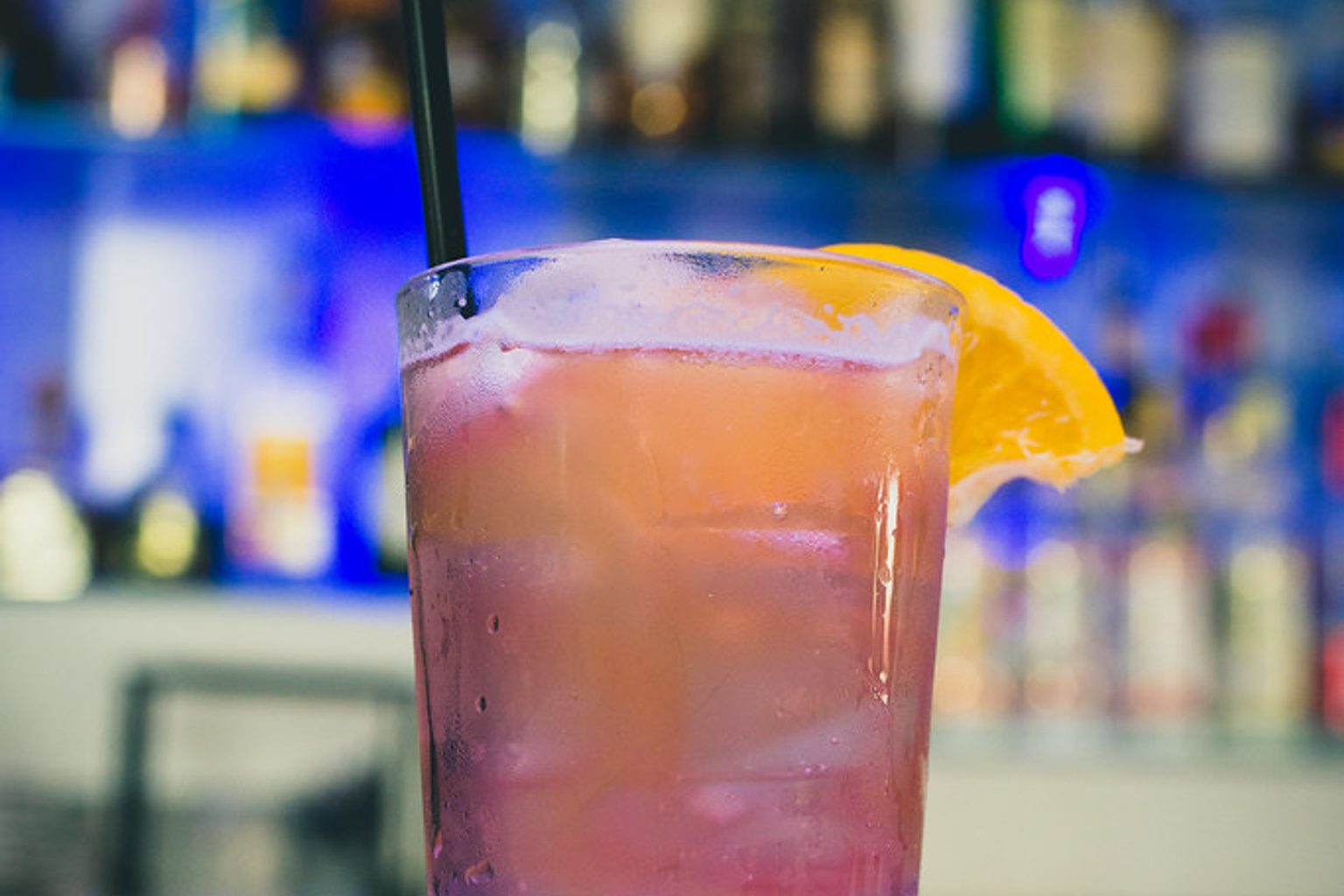
The core product lineup reflects strategic category thinking. The Blood Orange Margarita delivers a bright, layered citrus profile that feels both refined and approachable. The Pineapple Mojito brings tropical energy and a clean finish that suits a wide range of occasions. The Raspberry Mule offers crisp berry character and a familiar cocktail structure with a modern twist. These are not novelty flavors chasing attention—they are designed to deliver a legitimate drinking experience that commands shelf real estate and justifies premium positioning.
The formulation matters equally. With real fruit juice and hemp-derived THC, Gigli creates drinks that feel familiar at first glance and distinctly current in execution. That combination—genuine taste and intentional ingredient sourcing—resonates with today's more selective consumer, one who wants beverages that feel thoughtful without being complicated, elevated without being intimidating, and enjoyable without the next-day compromise that often comes with alcohol.
Extended Portfolio Drives Multiple Penetration Points
Gigli's broader portfolio extends beyond cocktail-style beverages to include THC seltzers, fruit punches, gummies, and chocolates. That product range is strategically important for retail assortment planning. Multiple entry points across different formats and price points expand relevance across occasions and consumer preferences, creating opportunities for cross-selling and basket building. For buyers looking to develop assortments that feel fresh and consumer-driven, that versatility translates to stronger category growth potential.
The brand's positioning also addresses a fundamental shift in beverage consumption. Consumers are not abandoning the ritual of drinking—they are redefining it. They still want moments that feel social, celebratory, and memorable, but are increasingly drawn to drinks that align with a more intentional way of living. Rather than asking consumers to choose between pleasure and practicality, Gigli offers both, framing indulgence in a way that fits modern wellness conversations without sacrificing enjoyment.
Retail Differentiation in a Growing Category
What makes Gigli especially relevant to retail strategy is its understanding of where beverage culture is headed. The future of social drinking is not defined by excess—it is shaped by intention, flexibility, and a more nuanced sense of what consumers want from the experience. People still want a drink that marks the moment, but increasingly want that drink to feel lighter, smarter, and more in sync with the rest of their lives.
In practical terms, that translates to strong sell-through potential. The brand approaches the THC beverage category with a hospitality mindset, focusing on elements that matter most to premium positioning: flavor, balance, and a clear sense of occasion. Products built on that foundation tend to convert shoppers into repeat buyers and justify placement in high-traffic shelf locations.
For retailers and category managers, the strategic advantage is clear. Gigli is a brand that feels timely without feeling disposable, elevated without feeling out of reach, and directly aligned with a consumer shift already underway. It offers shelf appeal, consumer understanding, and portfolio depth—the combination increasingly valuable in a category on the rise. The brand does not try to reinvent the social drinking moment. It refines it, offering retail partners a product that positions them as current and forward-thinking.