Flavored vodka faces a genuine retail opportunity right now. After years of category saturation with artificially flavored products chasing novelty rather than craftsmanship, consumer preferences have shifted sharply toward lighter, fruit-forward cocktails, spritz-style serves, and approachable luxury experiences. For buyers and category managers watching spirits shelf performance, Grey Goose's summer 2026 launch of Berry Rouge signals where premium vodka innovation is heading—and what moves matter for sell-through.
The new expression represents Grey Goose's first major flavor innovation in more than a decade, crafted with strawberries, raspberries, blackberries, and blueberries sourced from Mediterranean growing regions. The brand developed it to capture an elevated approach to flavored vodka centered around natural fruit character, texture, and versatility rather than overt sweetness. That product distinction—built from Picardie wheat and limestone-filtered spring water sourced in France—matters for positioning against competing flavored expressions on the shelf.
Retail Strategy: Experience-Driven Brand Building
What separates Grey Goose's approach from typical vodka line extensions is the integrated retail and experiential activation driving consumer awareness. The campaign centers on Oscar-winning actress Zoe Saldaña as the face of the brand's modern luxury vision, alongside legendary pastry innovator Dominique Ansel—the James Beard Award-winning chef best known for inventing the Cronut®—and DJ and cultural curator Andre Power, whose music direction anchors the campaign within today's social and nightlife landscape.
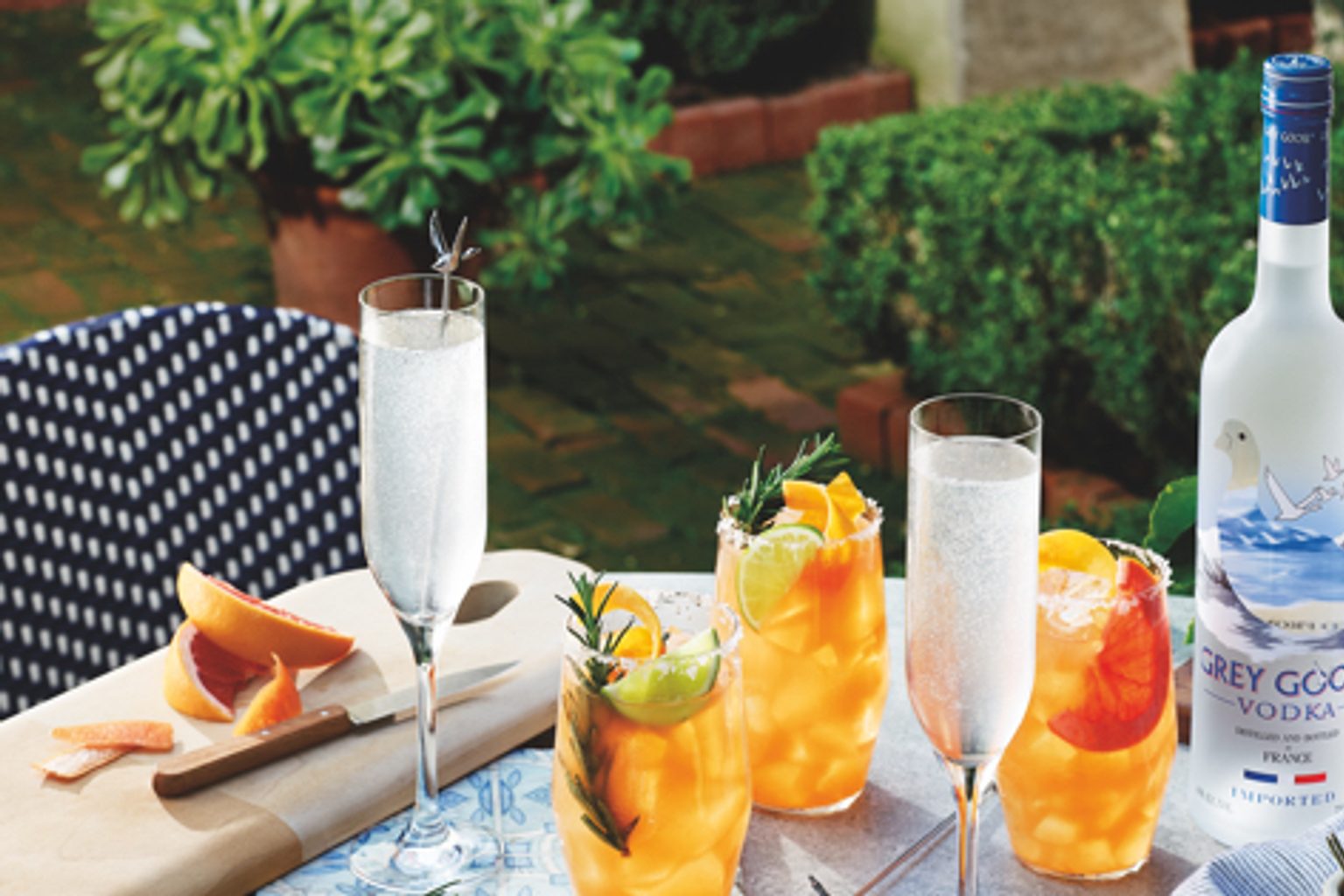
For category managers evaluating how brands build consumer pull-through, this multi-stakeholder approach matters. Rather than a standard celebrity endorsement, Grey Goose created a fully realized lifestyle moment that generates content, retail activation opportunities, and social-first engagement designed to drive traffic and trial. The hero cocktail, the Rouge Royale—blending Berry Rouge with lemonade, brut rosé, soda water, fresh berries, lemon, and mint—becomes a point-of-sale selling tool and mixologist reference point across on-premise and retail environments.
Packaging and Culinary Collaboration as Sell-Through Drivers
The immersive New York pâtisserie activation—a one-day-only Grey Goose Berry Rouge Pâtisserie takeover—transforms experiential marketing into tangible retail impact. Dominique Ansel developed a trio of limited-edition berry-inspired desserts: a seasonal Pavlova, a Berry Rouge Ice Cream Sandwich, and a Berry Rouge-infused Cronut® timed to coincide with the pastry's 13th anniversary. While designed as a brand moment, these collaborations generate earned media, social proof, and aspirational brand positioning that influences consumer purchase decisions at shelf.
The activation's approach to ingredient storytelling—positioning summer berries as the connective thread linking cocktail culture, French pâtisserie tradition, and experiential dining—creates an emotional narrative that extends beyond the bottle. For brand marketers, this translates to category context: packaging visuals, retail displays, and point-of-sale materials can leverage French craftsmanship signaling and berry-forward imagery to differentiate from competing flavored vodkas.
Category Performance and Consumer Targeting
Berry flavors have emerged as one of the strongest drivers in contemporary cocktail culture, especially among younger premium consumers seeking drinks that feel polished but playful. That consumer insight directly informs Grey Goose's retail positioning. The brand maintained its signature smooth profile while layering in vibrant berry notes designed to shine in social, summer-forward serves—a product-market fit that shapes how buyers should evaluate shelf space allocation and promotional timing.
From a packaging and visual merchandising standpoint, Grey Goose's positioning emphasizes refinement over excess. The campaign's social-first films focus on mood and sensory storytelling—sunlit rooftops, lingering conversations, berry pastries, relaxed glamour—that translates into retail visuals and brand presentation. Modern, intentional, and self-aware aesthetic cues matter for premium spirits placement, particularly in competitive upscale grocery and specialty retail environments where visual differentiation drives trial.
Building Category Cohesion Through Lifestyle Positioning
What Grey Goose ultimately accomplishes with Berry Rouge is something many premium spirits brands struggle to achieve: integrated category messaging. Every element of the campaign reinforces the same positioning language—cocktails, pastries, visuals, music, and collaborators all orbit around the same central idea of slowing down and romanticizing summer. That emotional consistency drives consumer confidence and justifies premium price points at retail.
For category managers evaluating inventory decisions and promotional strategy, this cohesion signals long-term brand commitment rather than a one-off flavor play. The company has spent years positioning itself not simply as a vodka producer, but as a curator of elevated experiences tied to French craftsmanship, social connection, and aspirational leisure. Berry Rouge expands on that identity while modernizing it for today's consumer habits. The campaign manages to feel luxurious without becoming inaccessible—a balance that drives mass-premium shelf acceptance.
The future of premium spirits branding increasingly depends on creating emotional ecosystems where product innovation intersects with cultural moments, culinary partnerships, and entertainment value. Grey Goose's Berry Rouge rollout demonstrates how that translates to retail: stronger consumer pull-through, justified premium positioning, and category expansion that elevates entire shelf sets.