Velas Resorts is fundamentally changing how luxury hospitality brands approach food service and culinary strategy. Over the past year, the hospitality group has achieved Michelin recognition for Cocina de Autor in Los Cabos, signaling a shift in industry expectations: premium resorts are no longer positioning food as a secondary amenity, but as a primary driver of guest value and brand differentiation. This strategy has direct implications for food service distributors, category managers, and CPG brands working within the hospitality sector.
The company's approach demonstrates that there is significant commercial advantage—and margin opportunity—in premium, ingredient-focused dining programs. A recent special engagement at Grand Velas Riviera Nayarit, where the Michelin-starred culinary team from Cocina de Autor Los Cabos took over Piaf for an exclusive tasting dinner, illustrated how a single, coherent culinary vision can be scaled across multiple properties while maintaining brand consistency and quality standards. This operational model mirrors approaches used by high-performing restaurant groups and suggests an emerging template for food service consolidation in the luxury resort space.
Building Category Performance Through Ingredient-Driven Positioning
The Cocina de Autor philosophy centers on interpreting Mexican ingredients through a contemporary global lens while maintaining deep connections to the country's agricultural traditions. This positioning creates distinct advantages for ingredient suppliers and CPG partners: it establishes predictable, premium sourcing requirements and justifies price positioning. The menu progression demonstrated this principle consistently. Escamoles—one of Mexico's most historic delicacies—were paired with avocado, habanero, cilantro, and corn masa, while bluefin tuna was combined with hoja santa, manzano chile, cured radish, and nixtamal. These combinations are not incidental; they represent a deliberate category strategy that elevates traditional Mexican ingredients into fine-dining positioning, creating shelf differentiation for both whole goods and prepared components.
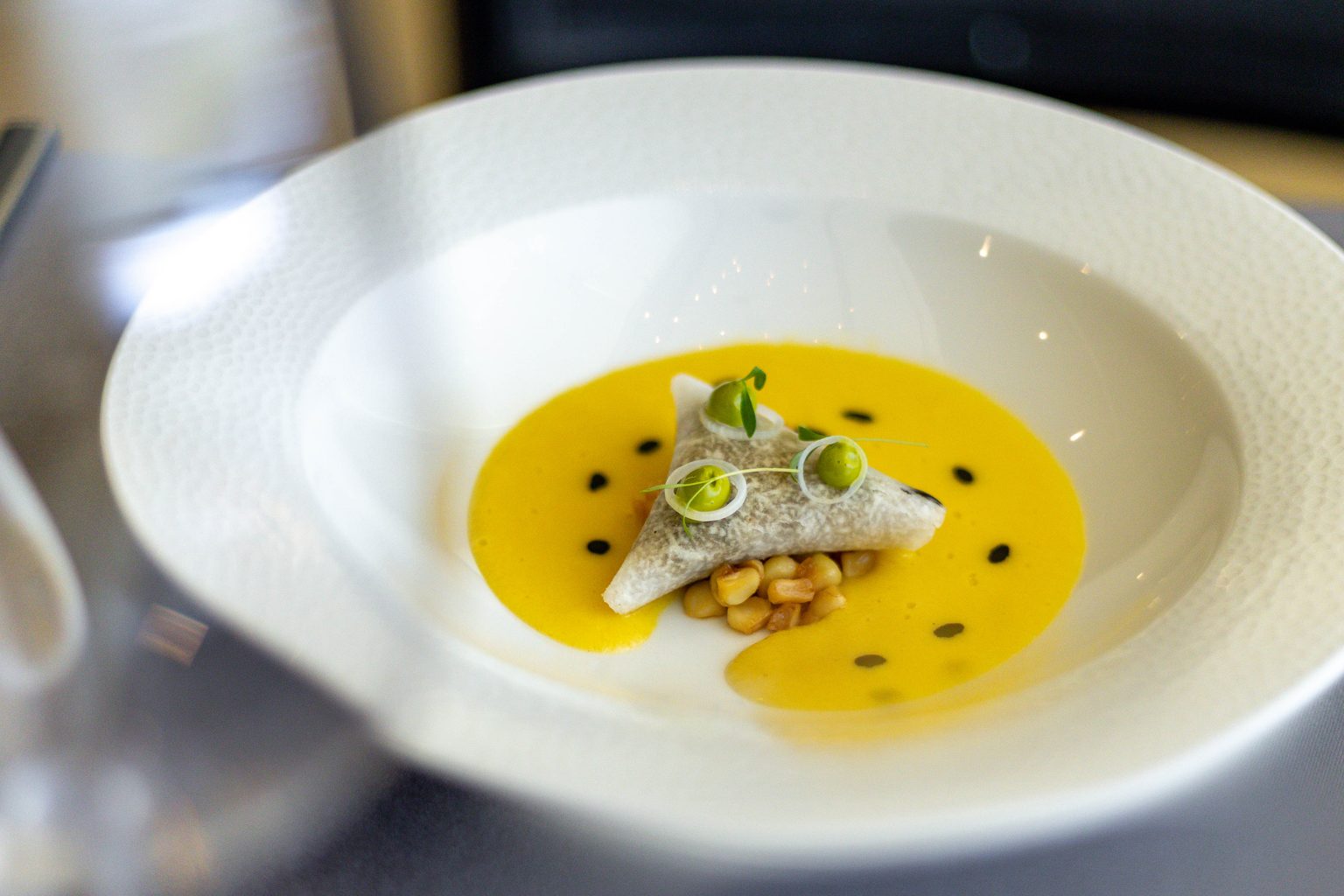
The same ingredient-forward approach extended through the full service. Royal Osetra caviar paired with blue abalone, cauliflower, kaffir lime, and crème fraîche; yellow corn velouté with shiitake mushroom, pecan, and jicama; and carefully selected Casa Madero wine pairings all demonstrate how premium food service builds sustained demand for specific, often hard-to-source categories. The use of wagyu tartar and triple-seared Angus tenderloin shows how luxury hospitality creates consistent, high-volume movement in premium protein categories.
Implications for Food Service and Package Design
What distinguishes this model is restraint in ingredient application. Rather than relying on luxury components for visual spectacle, the Cocina de Autor team emphasizes texture, balance, and nuance—allowing each component to serve a functional role. This approach has packaging implications: it rewards suppliers who can deliver premium, versatile ingredients in formats that support restaurant precision and portion control. The accompanying cocktail, built around tequila reposado, St-Germain, Damiana, citrus, and tonic, reflects the same strategy applied to beverage categories.
The broader commercial significance is substantial. Velas Resorts has positioned culinary excellence as a non-negotiable component of its brand identity, not a cost center to be minimized. This investment—reflected in dedicated sourcing, trained culinary teams, and proprietary menu development—has helped redefine expectations for what luxury resort dining can deliver. For CPG and food service suppliers, this represents a market segment where premium positioning commands real consumer willingness-to-pay and generates sustainable category growth.