
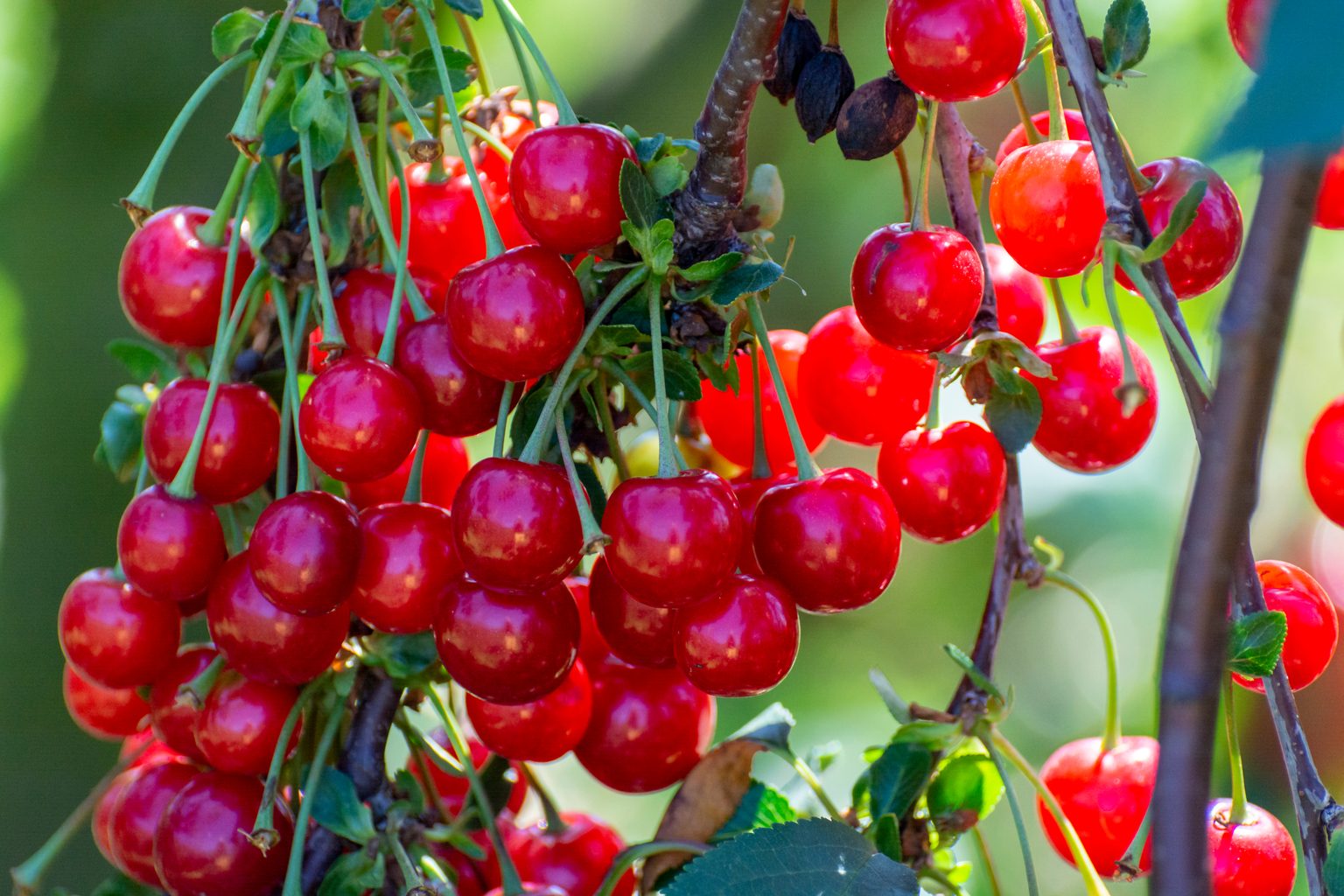
Tart cherries represent a significant opportunity for grocery and CPG retailers looking to drive category performance and consumer sell-through. Nearly all tart cherries grown in the U.S. are Montmorency—a single variety that delivers consistent flavor, color, and performance across retail shelves. With their vivid deep red color, bright tang, and authentic American-grown story, they command shelf space and support the bold flavor and functional food trends reshaping consumer purchasing behavior.
Consumer Demand for Bold, Functional Flavors
Today's shoppers actively seek bolder, more layered flavor profiles: sour, salty, spicy, fermented, and umami-rich. Tart cherries align perfectly with these preferences. Their natural sweet-tart profile appeals to consumers looking for clean, fruit-forward notes that feel modern, not nostalgic. This positions tart cherry SKUs across multiple retail categories—from fresh produce and frozen fruit to juices, canned goods, and dried fruit—as gateway products for premiumization and cross-category growth.
Consumers are also drawn to better-for-you options that deliver both taste and wellness benefits. Montmorency tart cherries contain natural anthocyanins linked to antioxidant activity, giving shoppers a functional halo when they reach for these products. This messaging differentiates SKUs on crowded shelves and drives basket additions.
Format Flexibility Drives Shelf Coverage and Inventory Turnover
Tart cherries don't exist fresh year-round, but multiple preserved formats ensure consistent retail availability and performance. This variety of SKUs creates opportunities to own shelf real estate across multiple departments:
- Dried tart cherries command premium pricing in bulk and packaged snacking sections, supporting trail mixes, granola clusters, and grab-and-go wellness snacks.
- Frozen fruit delivers reliable year-round availability for consumer home prep, smoothies, desserts, and baked goods—capturing seasonal demand when fresh options vanish.
- Juices and concentrates leverage beverage set endcaps and support cross-promotion with spirits, mixers, and health-focused beverage brands.
- Canned tart cherries secure shelf space in the baking and dessert aisle, driving high-velocity sell-through during peak usage occasions.
This format diversity simplifies vendor consolidation, reduces stockkeeping complexity, and maximizes consumer touchpoints across multiple shopping trips and usage occasions.
Visual Merchandising and Social-Media-Driven Trial
The deep red color of tart cherries is a powerful merchandising asset. That visual pop drives shelf-stopping impact and encourages consumer trial—particularly important in an era when social media discovery influences in-store purchase decisions. Category managers can leverage this visual distinction to elevate adjacent categories, create eye-catching end-cap displays, and support seasonal and promotional events that drive basket size and frequency.
Cross-Category Performance and Private Label Opportunity
Tart cherry versatility supports sell-through across baking, snacking, frozen, beverages, and specialty foods categories. This positions them as a value-add ingredient for both branded and private label innovation. Formulators can incorporate Montmorency tart cherries into granolas, yogurt, energy bars, smoothies, flavored waters, baked goods, and prepared desserts—categories where functional fruit positioning commands premium pricing and supports margin expansion.
Additionally, U.S.-grown sourcing provides authentic local/traceable storytelling that resonates with today's conscious consumers, differentiating retailer brands and justifying shelf placement against national competitors.
U.S. Sourcing Drives Authenticity and Supply Chain Transparency
Growers across Michigan, Utah, Washington, Wisconsin, New York, Pennsylvania, and Oregon have tended tart cherry orchards for generations. This domestic supply chain strength supports retailer sustainability narratives and local-sourcing claims. On product packaging, "U.S.-grown Montmorency tart cherries" converts a commodity product into a featured, differentiating ingredient that builds brand equity and consumer loyalty.
Capturing Market Share in Underserved Segments
While tart cherries are familiar to consumers from pies, juices, and preserves, they remain underrepresented in savory applications, global flavor profiles, and functional product development. This represents a significant white-space opportunity for retailers and brands to establish first-mover advantage in emerging categories and win shelf space before competitors activate similar strategies.
Retail Action Items
For category managers and brand marketers, tart cherries deliver measurable retail performance: bold consumer-facing flavors, consistent product availability across multiple formats, premium positioning, cross-category sales lift, and authentic American sourcing. To explore U.S.-grown tart cherry products, formats, and retail innovation opportunities, connect with the Cherry Industry Administrative Board. Visit choosecherries.com to access sourcing resources, product specifications, and retail strategy tools to maximize shelf performance and consumer sell-through.