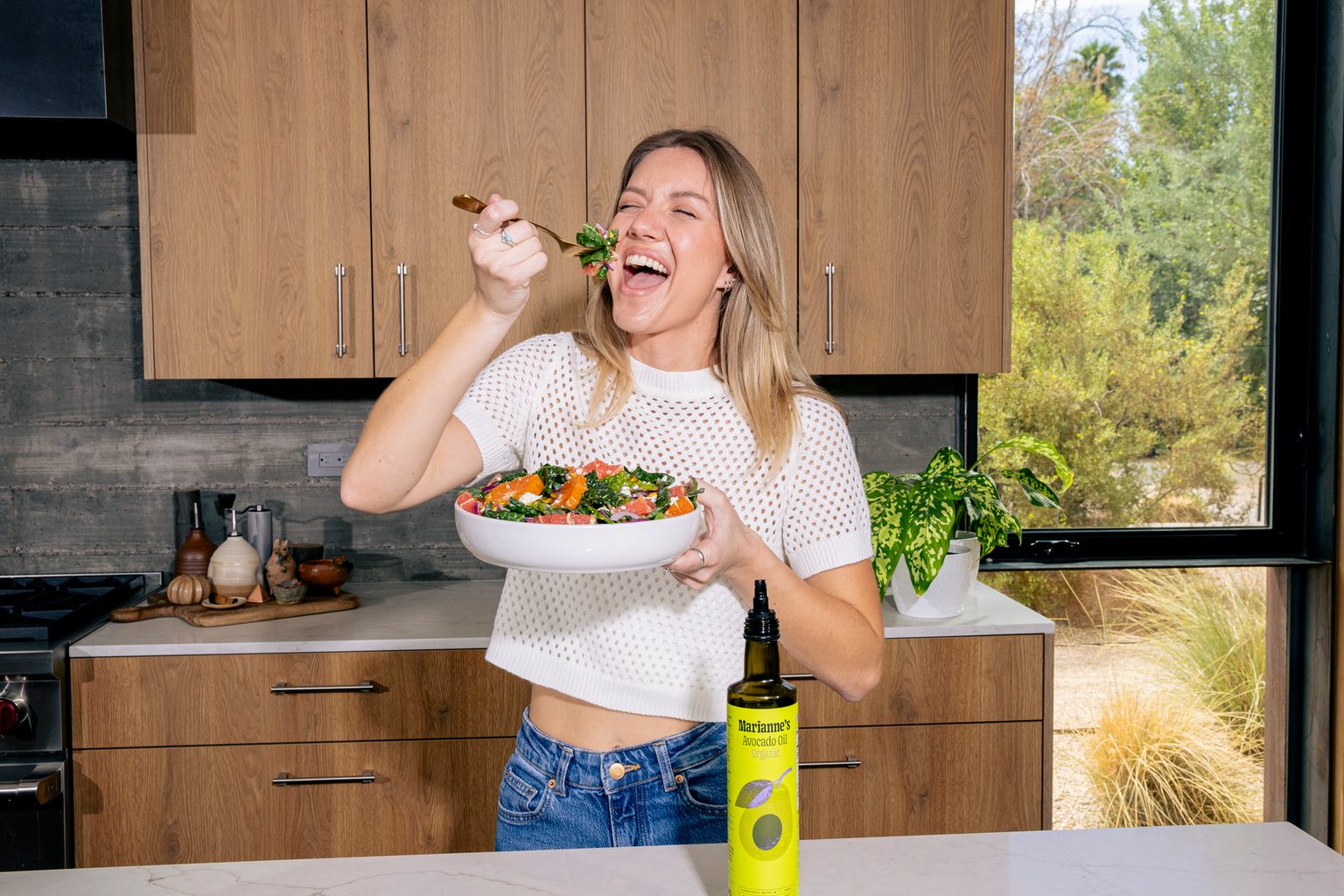
Study Documents Systemic Purity Failures Across Category A newly released UC Davis study has uncovered systemic adulteration across the avocado oil market, finding that 100% of analyzed salad dressings and U.S. mayonnaises labeled as "Made with Avocado Oil" contained other, less expensive oils. Additionally, 93% of evaluated avocado oil-labeled chips failed purity testing. The research builds on a 2020 UC Davis study that examined avocado oil purity in the U.S. market. In the latest analysis, UC Davis researchers used Marianne's avocado oil as the benchmark for 100% pure, the standard against which all other products were measured.
The Purity Testing Gap Most brands test only the fatty acid portion of CODEX standards—a threshold loose enough that oil can be adulterated by up to 40% and still pass, according to the release. Marianne's tests every load against all three CODEX markers: fatty acid profile, sterol composition, and tocopherol levels. "Consumers deserve to know exactly what is in their bottle and for too long, the avocado oil category has made that impossible," Marianne Adams, namesake of Marianne's, said. "From day one, our promise has been simple: what is on our label is exactly what is in the bottle. The UC Davis findings show why that commitment matters more than ever."
Why It Matters
As consumers increasingly scrutinize ingredient labels and pay premiums for perceived authenticity, the study underscores the competitive advantage of third-party verification and transparent testing protocols. Operators and retailers sourcing avocado oil for foodservice or retail now have documented evidence of widespread mislabeling—a risk factor for both brand reputation and consumer trust. Full UC Davis study available at ucdavis.edu/food/news
For more insights and trends in the food and beverage sector, check out more articles in The Food & Beverage Magazine family of publications.
Written by FBM Publications Editors