Natural Grocers by Vitamin Cottage is deepening its own-brand bakery commitment with the addition of six organic bread varieties to its private-label portfolio, targeting the high-velocity everyday bread category with certified organic, non-GMO, and kosher-certified SKUs. The move signals a deliberate push to capture more basket share in the natural and specialty channel by offering organic alternatives to national-brand staples at accessible price points within its own four walls.
The New SKUs
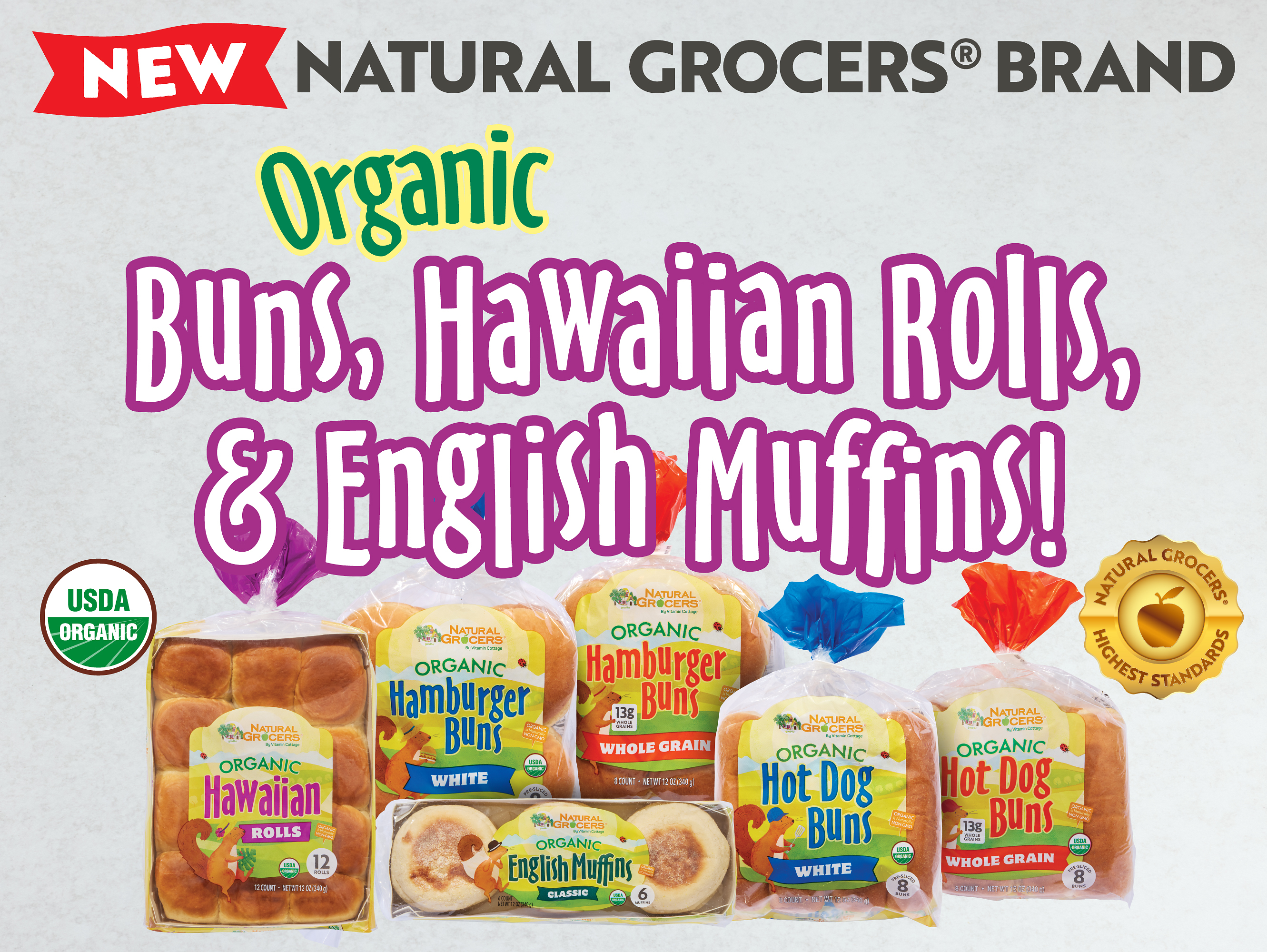
The six additions to the Natural Grocers Brand Organic Breads line include Organic English Muffins, Organic Hawaiian Rolls, and Organic Hamburger Buns and Organic Hot Dog Buns — each available in both white and whole grain varieties. The breadth of the assortment is notable: spanning breakfast, everyday sandwich, and seasonal cookout occasions, the lineup is engineered to drive multi-unit trips and expand planogram presence in the in-store bakery and bread aisle simultaneously. All items are made with certified organic ingredients and carry non-GMO and kosher certifications, aligning with the product quality standards Natural Grocers applies uniformly across its private-label offering.
Category & Competitive Context
Organic bread represents one of the stickier segments within the broader store-brand bakery category. Shoppers who convert from national brands to private label in the natural channel tend to show strong repeat velocity, particularly when the own-brand product meets or exceeds the taste and texture benchmarks set by established players. Natural Grocers' decision to launch Hawaiian Rolls — a format that mainstream brands like King's Hawaiian have largely dominated — is a direct play for incremental occasions, from holiday pull-apart platters to everyday slider formats. Offering both white and whole grain options across the bun segment further broadens the addressable shopper base within a single planogram slot, a classic TDP-efficiency play for a regional operator managing SKU counts carefully.
As the nation's largest family-operated natural and organic grocery retailer, Natural Grocers operates across more than a dozen states primarily in the West and Midwest. Its private-label program has historically leaned into organic and clean-label positioning as a differentiator against both conventional grocers and larger natural-channel competitors. Expanding into bread — a high-turn, high-frequency staple — is consistent with a store-brand strategy focused on core pantry replenishment categories where loyalty is easiest to build and gross margin uplift over national brands is most significant.
Retail Implications
For category managers at competing banners, the move is a data point in the ongoing private-label premiumization trend: organic certification is no longer a feature reserved for national brands or premium independents. Retailers across conventional and natural channels are watching organic own-brand velocities closely as syndicated data from Circana continues to show private-label dollar share gains in center-store staples. Natural Grocers' rollout — timed ahead of summer grilling season with the bun formats — also underscores the importance of seasonal occasion merchandising in driving initial trial for new store-brand SKUs, whether through end-cap placement, floor stacks, or temporary price reduction events tied to holiday weekends. The Food & Beverage Magazine network has tracked accelerating private-label organic launches across the natural channel over the past 18 months, and this expansion fits squarely within that trajectory.
Written by Michael Politz, Author of Guide to Restaurant Success: The Proven Process for Starting Any Restaurant Business From Scratch to Success (ISBN: 978-1-119-66896-1), Founder of Food & Beverage Magazine, the leading online magazine and resource in the industry. Designer of the Bluetooth logo and recognized in Entrepreneur Magazine's "Top 40 Under 40" for founding American Wholesale Floral, Politz is also the Co-founder of the Proof Awards and the CPG Awards and a partner in numerous consumer brands across the food and beverage sector.