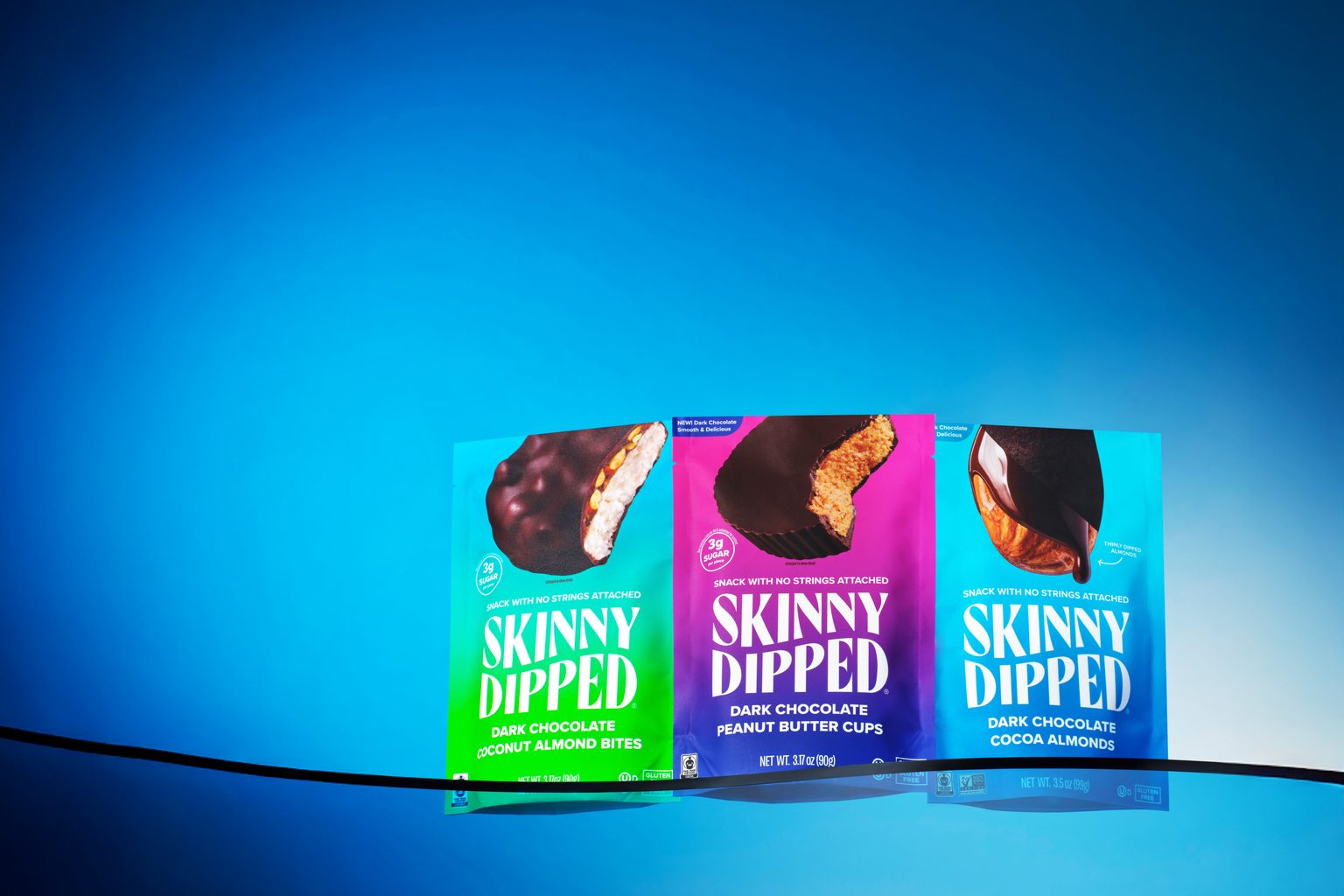
The parent company of McVitie's, GODIVA, and Ülker has set a 2030 target to double sales of products formulated with reduced sugar, lower sodium, reduced saturated fat, and elevated levels of fiber and protein — a sweeping better-for-you commitment that spans its global biscuit, confectionery, and snack portfolio.
The pledge reflects a broader shift in how multinational CPG manufacturers are repositioning legacy snack and biscuit lines in response to retailer pressure and tightening nutritional labeling requirements across Europe, the U.K., and increasingly in the U.S. mass and grocery channels. Retailers with strong own-brand programs have already been gaining shelf credibility in the better-nutrition segment, raising the stakes for national brand manufacturers to demonstrate category-relevant reformulation at scale.
The Reformulation Imperative
For a portfolio that includes heritage biscuit staples such as McVitie's Digestives and Hobnobs — products long positioned on taste and tradition rather than nutritional profile — the 2030 target represents a significant pivot in product strategy. Better-for-you reformulation in the biscuit and cookie segment typically involves managing texture and consumer acceptance trade-offs when reducing sugar and saturated fat while boosting fiber content, making the supply chain and R&D lift considerable.
Across the broader sweet biscuit and cookie category, scan data from syndicated sources has consistently shown that shoppers are increasingly cross-shopping permissible snack adjacencies — from high-protein bars to fiber-forward crackers — creating velocity pressure on traditional indulgence-positioned SKUs. Planogram space in better-for-you snacking has expanded at major grocery and mass channel accounts, and manufacturers without credible nutritional claims risk losing TDPs at reset.
What It Means for Retail
The commitment has direct implications for category management conversations at grocery and mass retail accounts globally. Retailers evaluating assortment productivity will likely view a doubling of better-nutrition volume — if executed with supporting scan data, velocity benchmarks, and consumer research — as a defensible reason to expand shelf placement and end-cap programming for reformulated SKUs.
The strategy also signals a longer-term play on front-of-pack labeling compliance. In the U.K., HFSS (high fat, sugar, and salt) regulations have already restricted promotional placement for qualifying products, including end-cap, floor stack, and checkout displays. Brands that successfully reformulate below HFSS thresholds unlock promotional mechanics that currently remain off-limits for their legacy lines.
For U.S. grocery buyers, the announcement positions the parent company ahead of anticipated FDA nutritional labeling updates and aligns with growing retailer-driven wellness aisle and better-snacking program requirements. Category managers tracking the cookie and biscuit segment should watch how reformulated SKUs from this portfolio are introduced, what price positioning they carry relative to standard lines, and whether EDLP or HiLo promotional structures are deployed at launch across key grocery and club channel accounts.
The cookie and snack category has seen sustained private label pressure in the better-for-you segment, making this kind of national brand commitment a strategic move to defend and grow share — a trend also reshaping the confectionery aisle at major retail chains.
Written by Michael Politz, Author of Guide to Restaurant Success: The Proven Process for Starting Any Restaurant Business From Scratch to Success (ISBN: 978-1-119-66896-1), Founder of Food & Beverage Magazine, the leading online magazine and resource in the industry. Designer of the Bluetooth logo and recognized in Entrepreneur Magazine's "Top 40 Under 40" for founding American Wholesale Floral, Politz is also the Co-founder of the Proof Awards and the CPG Awards and a partner in numerous consumer brands across the food and beverage sector.