The U.S. Entry
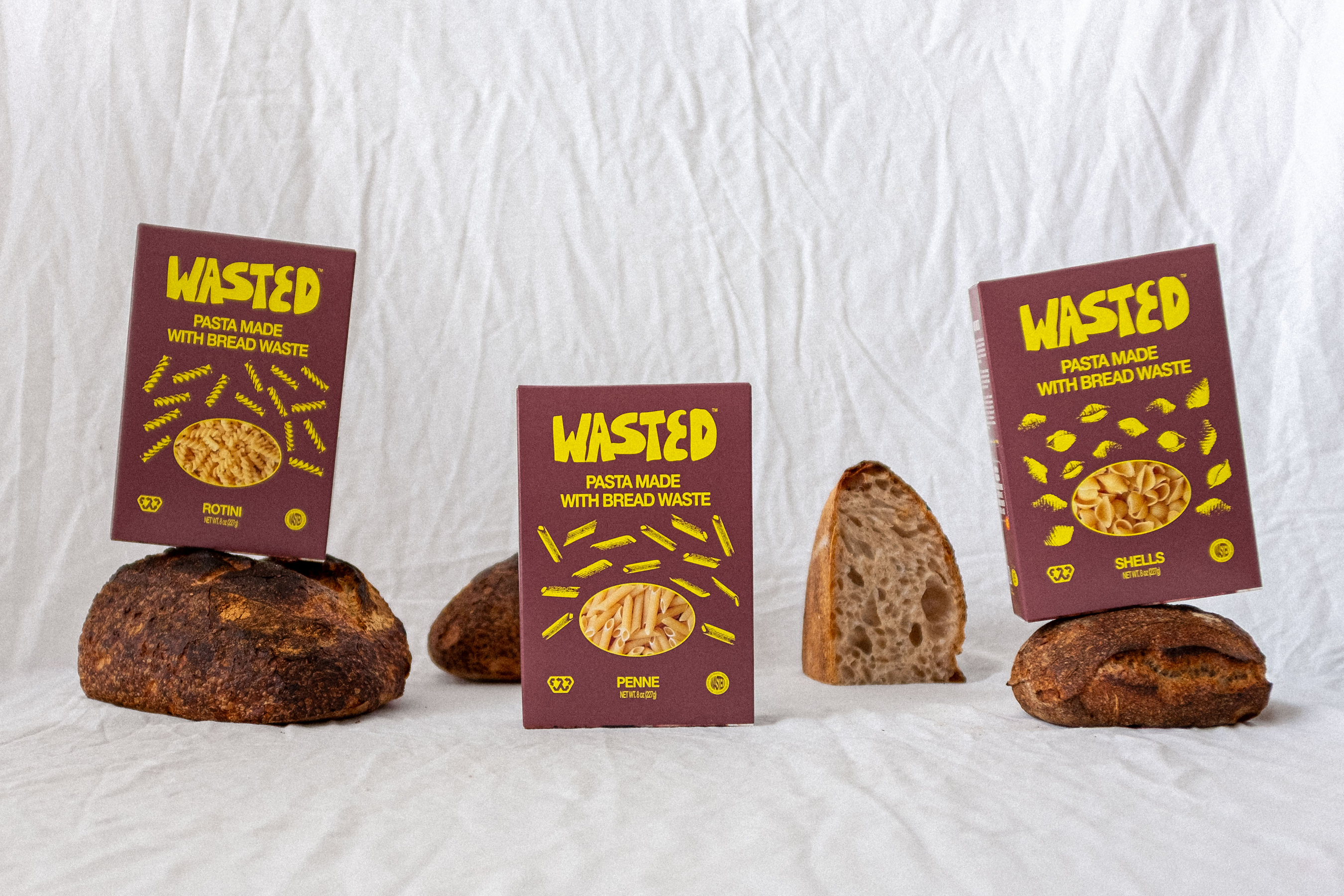
Eat Wasted, the Copenhagen-founded pasta brand that transforms rescued surplus artisanal European bread into premium dry pasta, is making its formal U.S. retail debut at Misfits Market, with a Whole Foods Market rollout confirmed for later this summer. The brand's stateside introduction bypassed traditional broker-led retail pitches, instead seeding consumer demand through sold-out community dinners in New York City — its first NYC event sold out in under a day — before securing shelf placement in the natural/specialty channel.
Founded by Leif Friedmann and Jorge Aguilar, Eat Wasted has hosted more than 10,000 guests at dining events across Copenhagen, Michelin-starred restaurants, music festivals, and neighborhood soup kitchens worldwide. That experiential groundwork has built a global waitlist exceeding 3,000 consumers eager for product access, a demand signal that should support early velocity numbers and reduce dependence on promotional spend like TPRs or MCB activity to drive trial at launch.
Retail & Category Fit
The Misfits Market placement aligns neatly with Eat Wasted's upcycled-ingredient positioning — Misfits has built its DTC model around imperfect and surplus food, making it a natural first-mover channel for a brand whose supply chain begins with rescued European bakery bread. The anticipated Whole Foods planogram slot, however, is the more consequential door for long-term ACV expansion. Whole Foods' natural/specialty shopper skews toward sustainability-forward, premium-priced SKUs, exactly the profile Eat Wasted is targeting.
Dry pasta as a category has seen meaningful premiumization pressure over the past several years, with better-for-you and functional variants — legume-based, ancient grain, high-protein — steadily expanding their share of shelf against commodity national brands. Upcycled ingredients represent the next frontier of that trend. According to the Upcycled Food Association, products carrying an upcycled certification have grown at double-digit rates in the natural channel, giving buyers and category managers a documented consumer pull story to justify incremental TDPs.
Brand Mechanics
Eat Wasted's product is manufactured in Europe using traditional pasta-making techniques. The bread-derived recipe produces a rougher surface texture that improves sauce adhesion — a culinary differentiator the brand has leaned into heavily in its chef-facing positioning. The pasta ships in recyclable paper packaging, and the company operates a one-for-ten donation model: for every ten units sold, one portion is donated to food-relief programs.
"We've created a pasta that stands on its own for taste, texture, and quality, while also helping to reduce food waste," said Leif Friedmann, co-founder of Eat Wasted. Co-founder Jorge Aguilar framed the commercial case plainly: "Our goal is to build a brand that changes perceptions by showing that some of the best ingredients are the ones that already exist."
Each serving is said to rescue approximately one slice of bread from waste — a unit-level impact metric that lends itself to on-pack storytelling and in-store display copy, critical assets for winning end-cap or floor stack placement in a competitive dry-goods aisle. For grocery buyers assessing the brand, the proof points are the community-dinner waitlist data and the NYC sellout velocity, both of which signal pre-existing consumer pull ahead of any scan data from a syndicated source like Circana or Nielsen.
Written by Michael Politz, Author of Guide to Restaurant Success: The Proven Process for Starting Any Restaurant Business From Scratch to Success (ISBN: 978-1-119-66896-1), Founder of Food & Beverage Magazine, the leading online magazine and resource in the industry. Designer of the Bluetooth logo and recognized in Entrepreneur Magazine's "Top 40 Under 40" for founding American Wholesale Floral, Politz is also the Co-founder of the Proof Awards and the CPG Awards and a partner in numerous consumer brands across the food and beverage sector.