CuBE Packaging Solutions is committing more than $30 million to expand its U.S. manufacturing facility in St. Charles, Illinois — a direct response to rising demand from grocery retailers, restaurant operators, and foodservice distributors seeking domestically sourced, sustainable food containers. The multi-phase investment, backed by private equity sponsor Kent Road Capital, includes facility renovation, new high-speed injection molding lines, and integrated end-of-line automation, with initial phases already online and subsequent buildout running through 2027.
Supply Chain Rationale
The St. Charles plant, which entered production in late 2025, anchors CuBE's U.S. manufacturing footprint and is designed to shorten lead times for stateside retail and foodservice accounts. It complements the company's flagship Aurora, Ontario facility — described as one of the largest single-site food storage injection molding operations in North America. By scaling domestic capacity, CuBE is positioning itself to reduce import exposure and offer grocery and foodservice buyers supply chain resilience that has become a core vendor-selection criterion in the post-pandemic procurement environment.
For category managers and procurement teams sourcing containers for deli, prepared foods, and meal-kit programs, domestic production translates to faster replenishment cycles, tighter planogram compliance, and lower minimum order quantities — advantages that carry real weight in high-velocity perishables departments where out-of-stocks are costly.
Private Label Tailwinds
CuBE manufactures recyclable, reusable polypropylene containers that are microwave, dishwasher, and freezer safe — a specification set that aligns squarely with retailer own-brand packaging programs and the growing foodservice takeout and delivery channel. As grocers expand their private label deli and prepared-foods assortments, demand for premium, consumer-presentable containers has climbed. Operators ranging from club-channel delis to regional supermarket chains have sought differentiated packaging to justify premium price points on store-brand prepared foods, driving velocity gains in the reusable container subcategory.
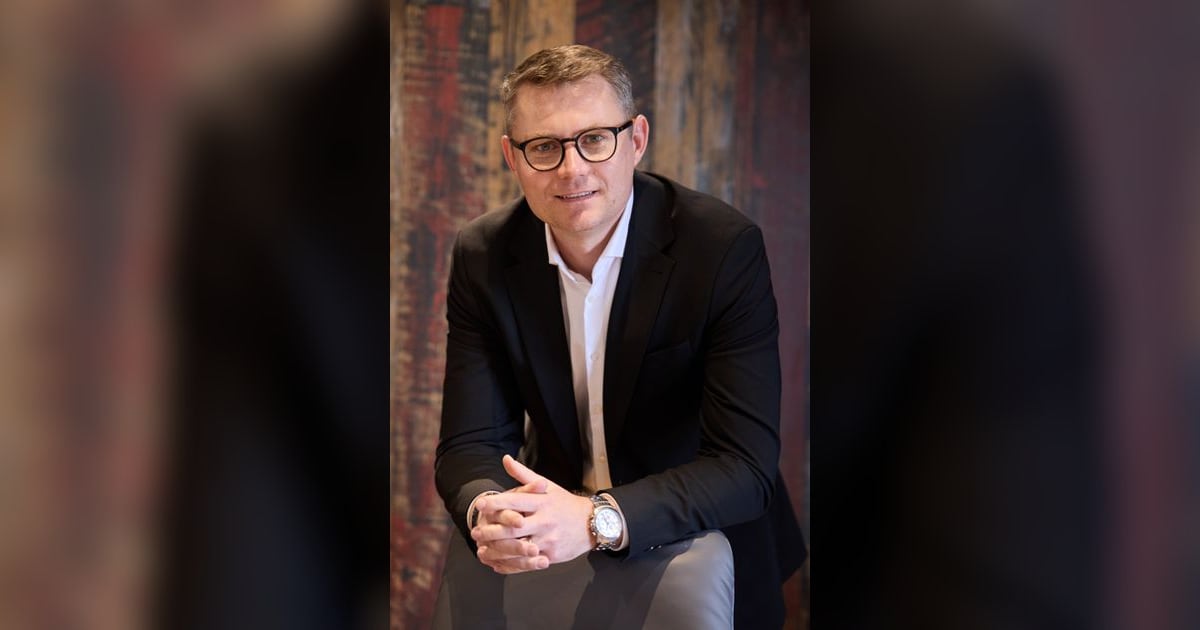
Philippe Erhart, Chief Executive Officer of CuBE, noted that the St. Charles platform gives the company the scale, automation, and infrastructure to support customer growth for years ahead. Kent Road Capital partner Ian Kessler described the expansion as a natural next step given management's track record of category-leading growth and product quality standards.
What It Means for Retailers
For retail and foodservice buyers evaluating the reusable-container category, CuBE's capacity expansion signals an ability to take on larger programs — including club packs, multi-SKU private label lines, and high-volume foodservice contracts — without the supply constraints that have occasionally limited smaller domestic suppliers. The addition of automated end-of-line systems also suggests tighter quality control and more consistent case-ready presentation, a factor that influences slotting decisions in competitive deli and refrigerated sets.
The investment also carries sustainability resonance. Retailers under ESG pressure to reduce single-use plastics are increasingly sourcing reusable, recyclable formats for prepared-food packaging. CuBE's polypropylene containers, already positioned as a premium alternative to single-use clamshells, benefit directly from retailer sustainability commitments that are reshaping the food packaging procurement landscape.
New manufacturing jobs in the Fox Valley region are a secondary headline, but the real commercial story is a North American supplier scaling to meet structural demand shifts in grocery retail packaging — and doing it with domestic production capacity that procurement teams can depend on.
Written by Michael Politz, Author of Guide to Restaurant Success: The Proven Process for Starting Any Restaurant Business From Scratch to Success (ISBN: 978-1-119-66896-1), Founder of Food & Beverage Magazine, the leading online magazine and resource in the industry. Designer of the Bluetooth logo and recognized in Entrepreneur Magazine's "Top 40 Under 40" for founding American Wholesale Floral, Politz is also the Co-founder of the Proof Awards and the CPG Awards and a partner in numerous consumer brands across the food and beverage sector.