Whole Foods Market Charts 2027 Food Landscape Whole Foods Market released its annual food trend predictions for 2027 today, identifying eight consumer movements poised to influence grocery innovation and restaurant menus. The forecast comes from the retailer's Trends Council—a group of 50+ company experts including foragers, buyers, and culinary professionals who track emerging food patterns year-round. "Since we opened our doors, Whole Foods Market has led the industry in seeking and stocking the latest innovations in food and beverage," said Sonya Gafsi Oblisk, VP of Worldwide Grocery Stores Private Brands & Marketing and Chief Merchandising & Marketing Officer. "From being an early prognosticator of fermented foods to highlighting essential movements like regenerative agriculture, we've been on the forefront of what's new and next."
The Eight Trends Terroir's New Territory expands the wine-world concept into broader categories.
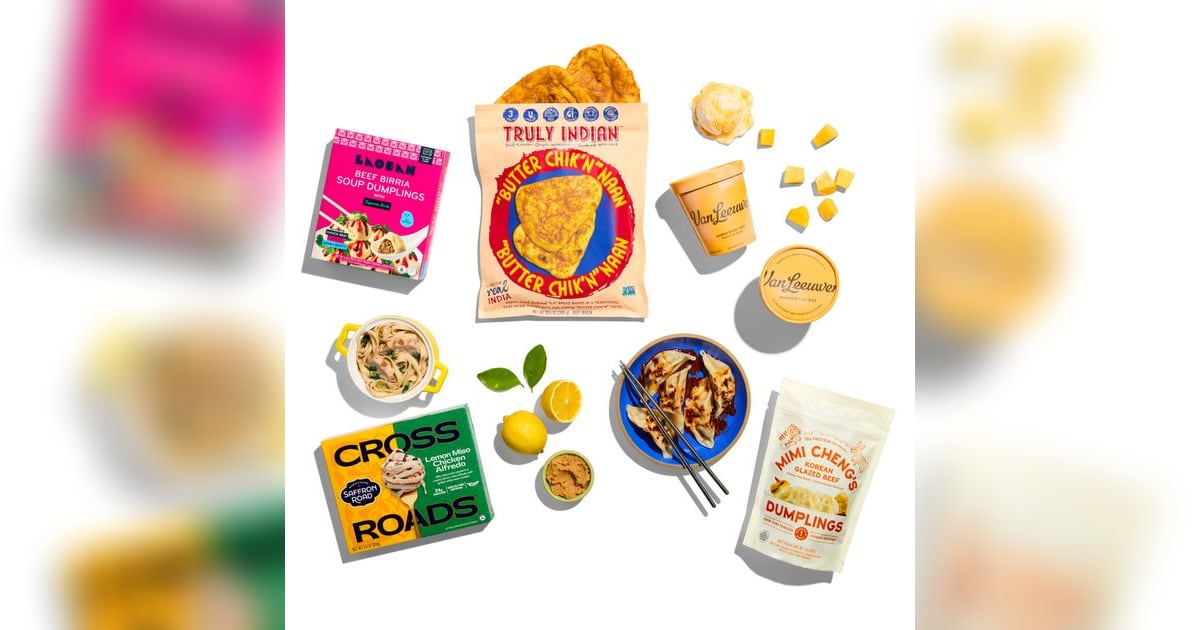
Consumers are seeking products tied to specific origins—regional honey, single-estate chocolate, named-source grains, and origin-specific coffee. Whole Foods is emphasizing this through single-origin extra-virgin olive oils, farm-specific Parmigiano Reggiano, and products like Principe San Daniele prosciutto from Italy's only Certified Humane farm. The concept has even extended to seafood through "merroir," highlighting how ocean environments shape flavor. Beautrition merges skincare with snacking. Collagen drinks, olive oil shots, and nutrient-dense foods are blurring lines between supplements and groceries. Sardines and oysters are gaining traction as skin-supportive foods—sardines for omega-3s and vitamin D, oysters for zinc and copper. Whole Foods plans to launch a Detox Blend at its salad bar in January 2027. The Yōshoku Effect drives interest in Japanese comfort food adapted from Western dishes. Tonkatsu, curry rice, and omurice are expanding from restaurants into grocery aisles through pantry staples, condiments, and bakery items. Whole Foods' late-2025 launch of Japanese-style milk bread became viral, reflecting growing customer demand. Dish Reinvention celebrates playful transformations of familiar foods into unexpected formats—birria ramen, smash burger tacos, cinnamon roll focaccia. The trend is moving into retail through products like lemon miso chicken Alfredo and mango sticky rice ice cream. Whole Foods is tapping this through offerings like Elote Pizza and Buffalo-Style Chicken Lasagna. Ingredient Minimalism responds to consumer scrutiny of additives and ultra-processed foods. Shoppers increasingly favor pared-down ingredient lists as quality markers. Manufacturers are simplifying formulations, and non-UPF apps and certification programs are proliferating. Whole Foods notes its Quality Standards already ban more than 300 food ingredients. Bitter Done Better reflects expanding palates and the sober-curious movement. Bitter ingredients appear in nonalcoholic cocktails, amaro-inspired drinks, and chocolate enhanced with fennel pollen, tarragon, and burnt sugar. Bitter greens like radicchio, endive, and broccoli rabe are gaining shelf space. Zero Waste 2.0 broadens sustainability beyond individual actions to circular systems. Upcycling has moved beyond produce to categories like pasta (Wasted Pasta transforms unused bakery bread) and cooking oil (Graza uses olive pomace). Whole Foods collaborates with Mill, which converts produce scraps into chicken feed, and participates in Too Good To Go, offering discounts on products nearing expiration. The Bean Boom elevates legumes from side dishes to center-of-plate proteins. Brothy butter beans, crispy chickpeas, and lentil-forward bowls signal a shift toward treating beans as premium ingredients. Companies like Rancho Gordo and SIMPLi have built followings around ethically sourced bean subscriptions. Social media fuels enthusiasm through viral dense bean salads and "BeanTok" content showcasing heirloom varieties.
Why It Matters
These predictions offer operators and merchandisers early signals on consumer preferences likely to drive sales across grocery, foodservice, and prepared foods. The emphasis on provenance, sustainability, and minimalism reflects persistent consumer demands that have evolved from niche to mainstream—suggesting that investment in origin storytelling, waste reduction programs, and simplified formulations will remain competitive necessities. The intersection of beauty and food, and the rise of bitter and complex flavors, also signal shifting definitions of indulgence and wellness among core Whole Foods demographics.
For more insights and trends in the food and beverage sector, check out more articles in The Food & Beverage Magazine family of publications.
Written by FBM Publications Editors