Tempo, the ready-to-heat meal delivery service operating under Home Chef within The Kroger Co. family of companies, is rolling out a new Protein Max lineup featuring single-serving meals with 40 or more grams of protein each — a direct answer to what the brand says is its customers' most-requested meal attribute. The meals cook in two minutes and are priced starting at $16.48 per serving, competing squarely in the premium segment of the rapidly expanding ready-to-eat and meal delivery space.
The Product Architecture
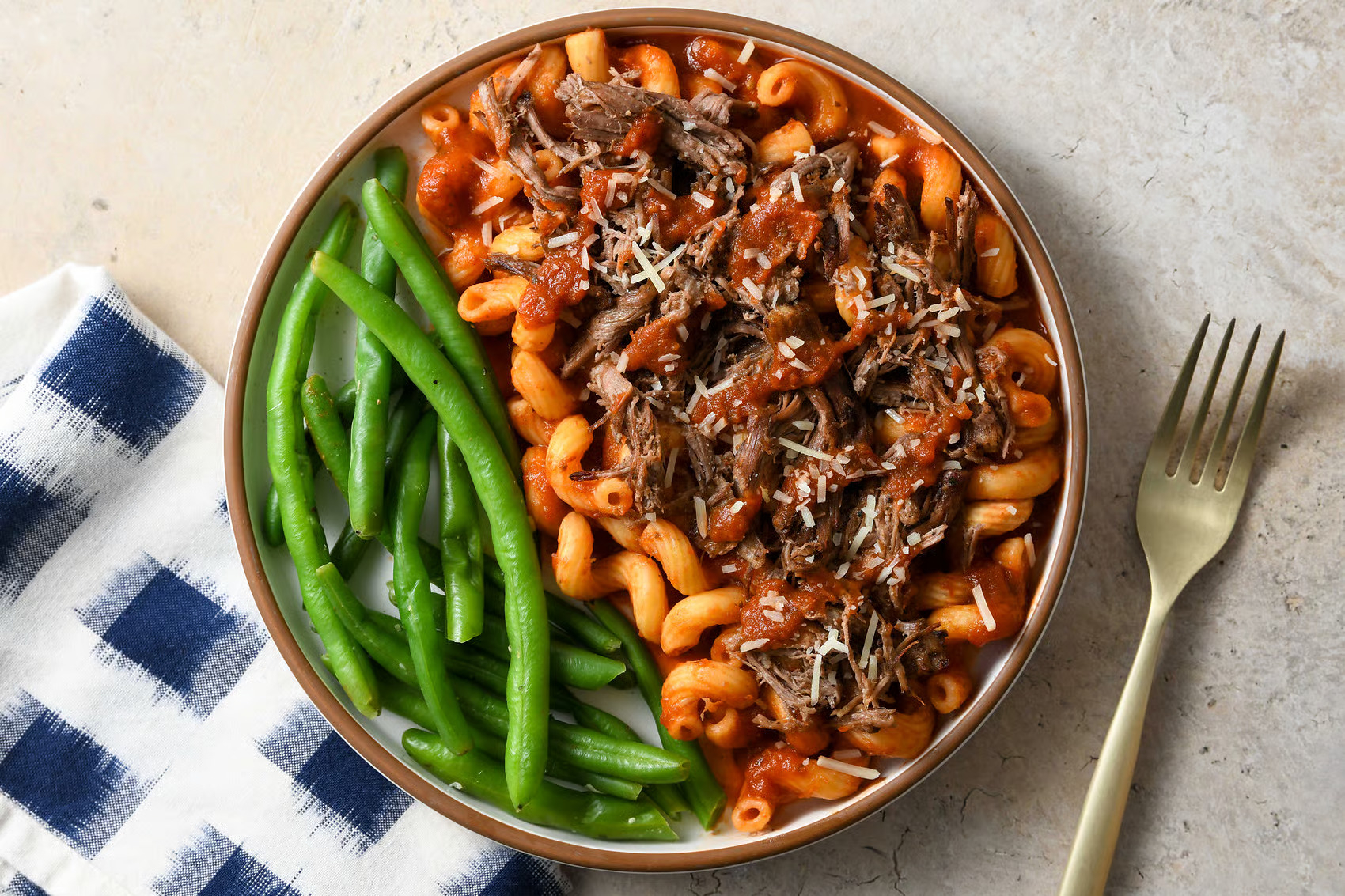
The Protein Max line extends Tempo's existing protein-forward tier — which carries a 30-plus-gram-per-serving threshold — up to a higher-intensity 40-plus-gram bar. Six or more Protein Max SKUs will rotate on the menu each week, spanning protein sources from grilled chicken and braised beef to pulled pork. Specific offerings include Braised Beef Tomato Ragù Cavatappi with green beans and Parmesan, Tomato Truffle Chicken Gemelli, Japanese BBQ Pulled Pork with garlic rice, Hibachi Teriyaki Chicken Thighs, Smoky Chipotle Beef Burrito Bowl, and a BBQ Smokehouse Pulled Pork Bowl. Formulations incorporate fiber-rich vegetables, legumes, and scratch-made sauces — a positioning move designed to differentiate on nutrition density rather than protein alone.
"Many of these meals are inspired by classic comfort foods that folks may not associate with high-protein or high-fiber eating — but we always aim to create meals that taste just as delicious as a home-cooked recipe," said Nigel Palmer, executive R&D chef at Tempo.
Category Tailwinds and Competitive Context
The launch arrives with strong syndicated data behind it. According to Circana, protein ranks as the second most sought-after ingredient among U.S. consumers in 2026, trailing only vegetables. That macro signal has accelerated velocity across the ready meals and frozen entrée segment, pressuring brands to reformulate legacy SKUs and develop dedicated high-protein platforms. Tempo's move reflects a broader CPG trend — from ambient snack bars to refrigerated entrées — where protein content is increasingly used as a primary planogram and shopper-marketing call-out.
Andrew Isabel, VP of new product development at Tempo, noted that protein-packed is "the number one response by far" when customers are surveyed on meal types they want to see more of — an insight that has direct implications for SKU prioritization and weekly menu curation. Beyond Protein Max, Tempo's dietitian-approved menu spans more than 30 meals organized around wellness filters including GLP-1 Smart, Calorie and Carb-Conscious, Fiber-Rich, Pescatarian, and Anti-Inflammatory — a segmentation strategy that mirrors how sophisticated retailers are now organizing fresh and refrigerated sets.
The brand has also recently added freshly-made Breakfast SKUs to its roster, including a Greek-Style Breakfast Scramble and a Classic Protein Pancake Breakfast, each delivering 20-plus grams of protein. The daypart expansion signals Tempo's intent to capture multiple meal occasions within the delivery subscription model, increasing order frequency and average basket size.
For grocery and meal-kit category observers, Tempo's trajectory illustrates how Kroger is leveraging its Home Chef acquisition to build a direct-to-consumer wellness platform that can operate independently of in-store planogram constraints — while feeding learnings back into Kroger's own private label and fresh meal strategies.
Written by Michael Politz, Author of Guide to Restaurant Success: The Proven Process for Starting Any Restaurant Business From Scratch to Success (ISBN: 978-1-119-66896-1), Founder of Food & Beverage Magazine, the leading online magazine and resource in the industry. Designer of the Bluetooth logo and recognized in Entrepreneur Magazine's "Top 40 Under 40" for founding American Wholesale Floral, Politz is also the Co-founder of the Proof Awards and the CPG Awards and a partner in numerous consumer brands across the food and beverage sector.