The Platform
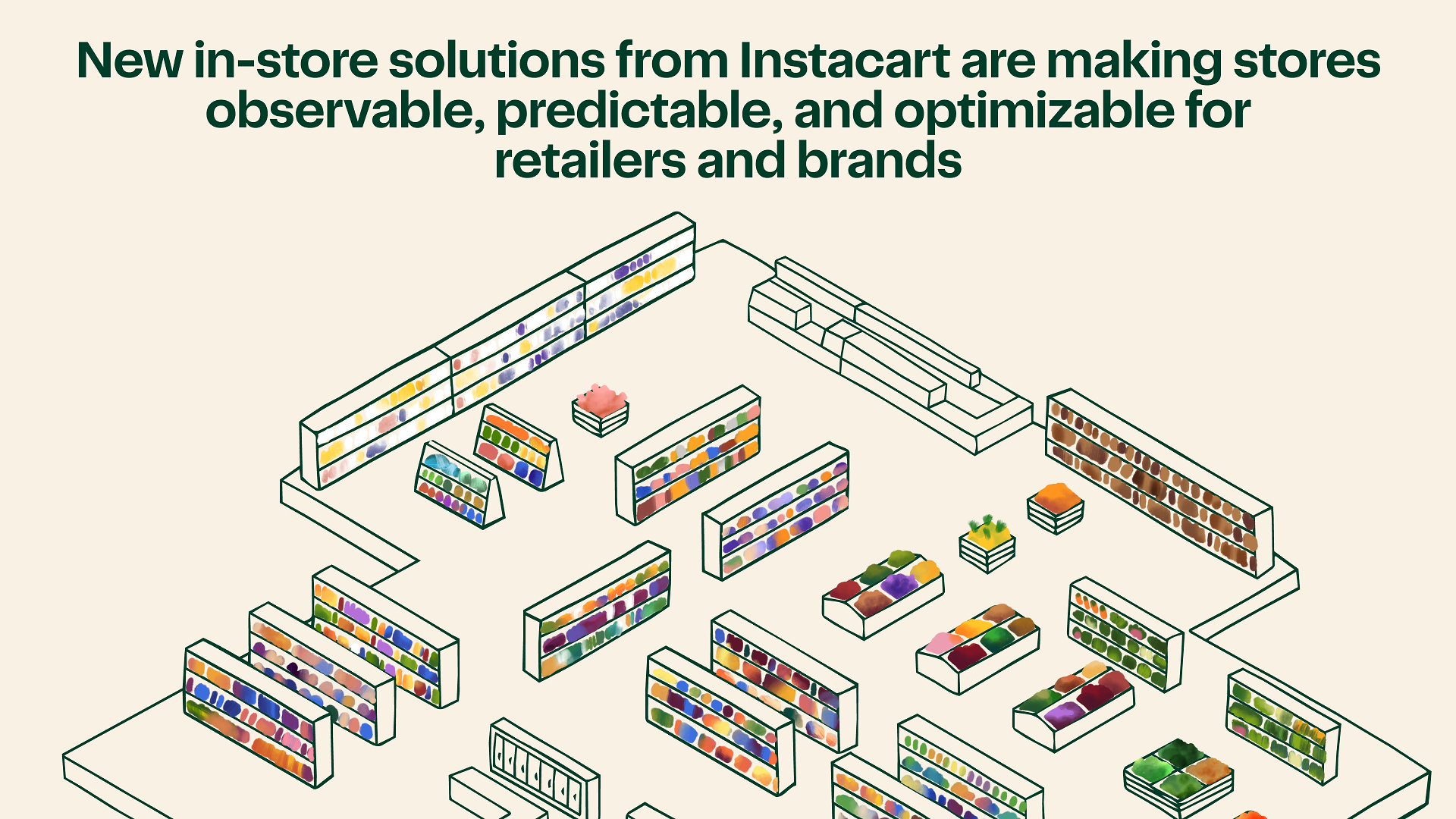
Instacart (NASDAQ: CART) is rolling out two new in-store software tools — Inventory Intelligence for retail operators and a Store Excellence Portal for CPG brands — that convert real-time shelf-scan data into actionable merchandising and replenishment signals. The launch marks a meaningful expansion of the Instacart Enterprise platform beyond e-commerce fulfillment into physical-store operations, where out-of-stocks and planogram drift remain persistent margin drains across the industry.
The data backbone is formidable by any measure. Instacart's network of approximately 600,000 shoppers visits stores across North America more than 15 times per store per day on average, generating over 10 million unique data points daily. That feed is augmented by shelf imagery captured by Caper Cart AI-powered smart carts running Arpalus computer vision technology, and is contextualized against more than 1.6 billion lifetime orders. The combined signal set allows the platform to differentiate between a product that was sold through and one that simply never made it to the shelf — a distinction traditional scan-based inventory systems routinely miss.
"Traditional inventory systems weren't built for today's reality — they rely on estimates and periodic counts, leaving grocers and brands with an incomplete picture of what's actually happening on shelves," said Ryan Hamburger, Chief Commercial Officer at Instacart. "By turning the insights Instacart generates every day into real-time intelligence for the physical store, we'll give retailers and CPG brands a level of visibility that drives better business outcomes."
Retail & Brand Use Cases
For store managers, Inventory Intelligence surfaces a virtual aisle-by-aisle view of the store updated continuously as shoppers scan throughout the day. The tool flags high-velocity, high-margin items at risk of going out of stock, surfaces facing-count opportunities where a simple planogram adjustment could recover lost sales, and supports demand forecasting ahead of seasonal or promotional volume spikes. That last capability is particularly relevant in a category-management context: the ability to anticipate depletion patterns weeks before a holiday or event gives replenishment teams a planning window that syndicated data subscriptions alone rarely provide.
For CPG brands, the Store Excellence Portal delivers a daily, store-level and UPC-level view of on-shelf availability, including an estimated dollar figure for lost sales — the kind of concrete, actionable metric that field sales teams and national account managers can take directly into retailer conversations. The portal also tracks substitution behavior, showing brand managers whether a stockout drove a consumer to a competing SKU or simply to a different pack size within the same brand. That substitution and competitive benchmarking layer effectively turns an empty shelf into a velocity-adjusted sales signal, which is a level of granularity that most brands currently can only approximate through post-hoc syndicated data or shopper panel studies.
Andy Keenan, Executive Vice President & GM, Branded Retail Services at Advantage Solutions, noted that access to the Store Excellence Portal data has helped his team prioritize field resources by sales opportunity and improve on-shelf availability for the brands they represent — a use case that illustrates how the platform slots into the broader sales and merchandising agency ecosystem, not just direct retailer-brand relationships.
Rollout and Outlook
The solutions are currently live with select grocers — including Queen's Price Chopper — and CPG brand partners, with broader availability expected in the coming months. Instacart partners with more than 2,200 retail banners representing nearly 100,000 stores, giving the platform a potential footprint that few retail-technology vendors can match at launch. For category managers and brand teams evaluating in-store execution tools, the combination of DSD-scale visit frequency, computer vision shelf reads, and integrated order history makes this a differentiated alternative to legacy audit-based shelf-monitoring approaches. Retailers investing in private-label strategy and planogram optimization stand to gain particular lift, as real-time facing data can inform both assortment decisions and own-brand placement in high-traffic aisles.
Written by Michael Politz, Author of Guide to Restaurant Success: The Proven Process for Starting Any Restaurant Business From Scratch to Success (ISBN: 978-1-119-66896-1), Founder of Food & Beverage Magazine, the leading online magazine and resource in the industry. Designer of the Bluetooth logo and recognized in Entrepreneur Magazine's "Top 40 Under 40" for founding American Wholesale Floral, Politz is also the Co-founder of the Proof Awards and the CPG Awards and a partner in numerous consumer brands across the food and beverage sector.