The Hershey Company posted consolidated net sales of $3,275.5 million in its third quarter ended September 27, 2026, a 3.0% increase year over year, as a sharp margin recovery and double-digit growth in North America Salty Snacks offset volume softness in its core candy, mint and gum (CMG) business. Organic, constant currency net sales grew 0.8%, with approximately 11 points of net price realization countered by roughly 10 points of volume decline — a classic elasticity read that retail category managers will recognize as the hangover from aggressive pricing cycles in the confectionery aisle. Adjusted earnings per share-diluted came in at $2.64, up 103.1% versus the prior-year period.
Salty Snacks Acceleration
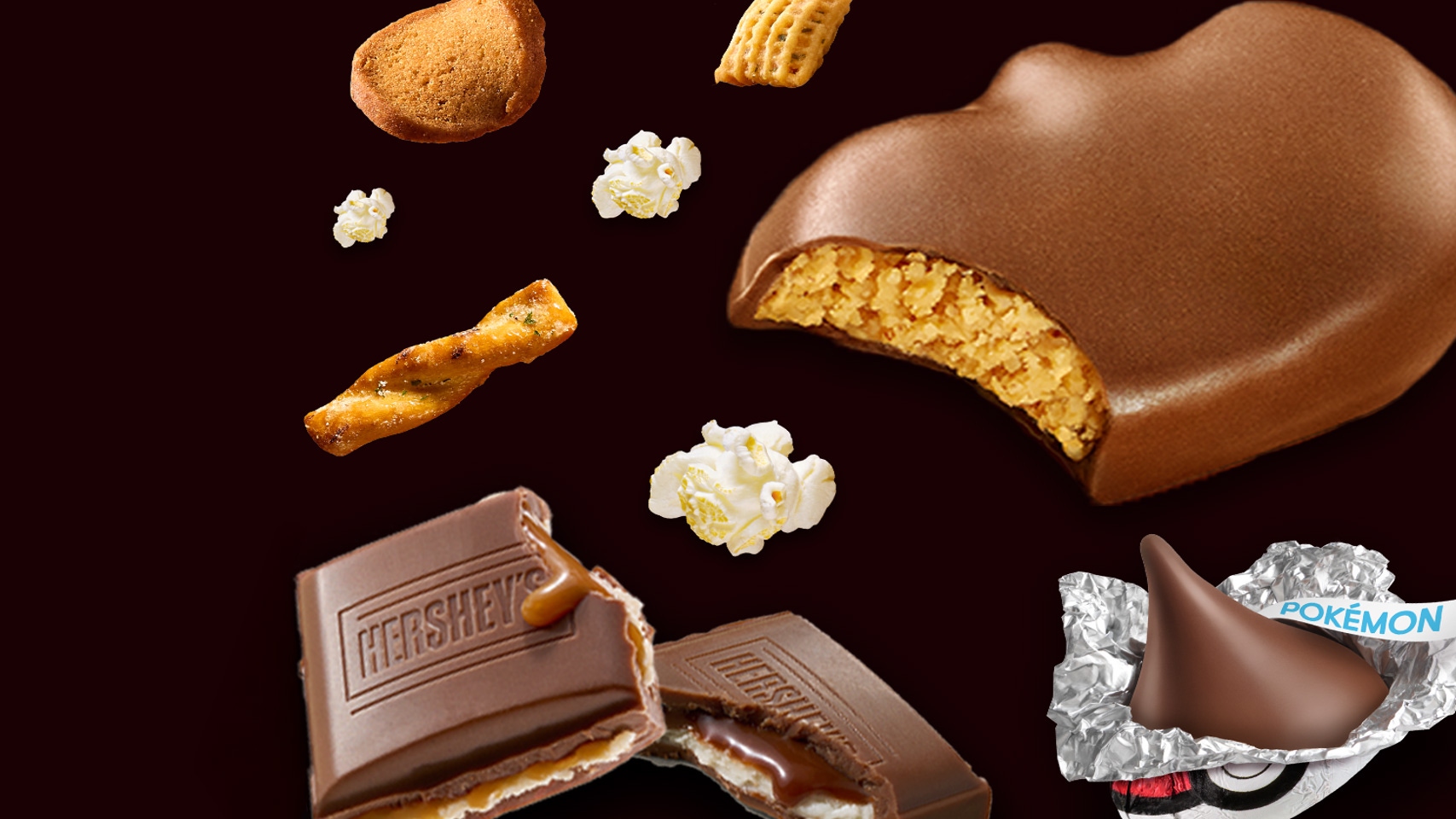
The standout story for grocery buyers and snack-aisle planners is North America Salty Snacks, where Hershey posted $392.7 million in segment net sales, up 22.3%. Roughly 20 percentage points of that gain traces directly to the 2025 acquisition of LesserEvil, which Hershey has been integrating into its better-for-you snack portfolio. Excluding LesserEvil, organic constant currency growth of 2.3% was supported by approximately 1 point of volume lift — driven by demand growth and retailer inventory replenishment — though the company deliberately pulled back on private label production, which trimmed incremental scan velocity. U.S. salty snacks retail takeaway in the MULO+ with convenience channel rose 4.0% for the 12-week period ended September 27, 2026, a result that translated into further market share gains for Hershey in a competitive set that includes both national brands and aggressive store-brand programs from major grocery chains. Segment income for the division fell 17.9% to $47.4 million, with segment margin compressing 590 basis points to 12.1%, as higher freight, logistics, and commodity costs weighed against top-line growth.
Confectionery Under Pressure
The North America Confectionery segment — still Hershey's dominant revenue engine at $2,656.5 million, or roughly 81% of total Q3 net sales — grew 1.6% on a reported and organic constant currency basis. Approximately 13 points of price realization drove the gain, but volume fell about 11 points as shoppers demonstrated classic elasticity responses at checkout. CMG retail takeaway in MULO+ with convenience rose only 0.8% for the comparable 12-week scan period, weighed by a tough comparison against a major Reese innovation launch in the prior year; as a result, Hershey's CMG category share declined year over year for the quarter. Despite the volume drag, segment income surged 66.2% to $949.7 million and segment margin expanded 1,400 basis points to 35.8%, a recovery driven by price realization, productivity savings from the Advancing Agility & Automation Initiative, tariff refunds received in Q3, and lower net commodity costs. For operators managing confectionery category planograms heading into the holiday season, the data suggests Hershey is trading unit volume for dollar margin — a strategy that has shelf-space implications when retailers weigh TDP allocation against turn rates.
Full-Year Outlook Raised
Kirk Tanner, President and Chief Executive Officer of The Hershey Company, noted that second-half demand-creation initiatives are gaining momentum against a backdrop of cautious consumers. On the financial guidance front, Hershey tightened and lifted its full-year 2026 net sales growth outlook to approximately 5% from a prior range of 4.5% to 5%, with approximately 200 basis points of that benefit attributable to the LesserEvil acquisition. Organic net sales growth guidance was set at approximately 3%. Adjusted EPS growth guidance was lifted to a range of 36% to 38.5%, up from the prior 32.5% to 35%, with the improvement partly reflecting $0.22 per diluted share in tariff refunds received in Q3 and $0.03 in Q2. Capital expenditures remain guided at approximately $450 million for the year, and the Advancing Agility & Automation Initiative is expected to deliver approximately $100 million in savings. The International segment remained a drag, posting a 7.5% reported sales decline and a segment loss of $30.0 million in Q3, as shipment timing disruptions and planned portfolio rationalization weighed on volumes.
Written by Michael Politz, Author of Guide to Restaurant Success: The Proven Process for Starting Any Restaurant Business From Scratch to Success (ISBN: 978-1-119-66896-1), Founder of Food & Beverage Magazine, the leading online magazine and resource in the industry. Designer of the Bluetooth logo and recognized in Entrepreneur Magazine's "Top 40 Under 40" for founding American Wholesale Floral, Politz is also the Co-founder of the Proof Awards and the CPG Awards and a partner in numerous consumer brands across the food and beverage sector.